
Perennials add a range of colors and textures to the garden. But they can also add an often-overlooked aspect: fragrance.
Fragrant perennials add richness and luxury to any garden. Whether it’s the gentle fragrance of lilies of the valley or the boldly sweet aroma of a ‘Stargazer’ Oriental lily, every garden is elevated by fragrance.
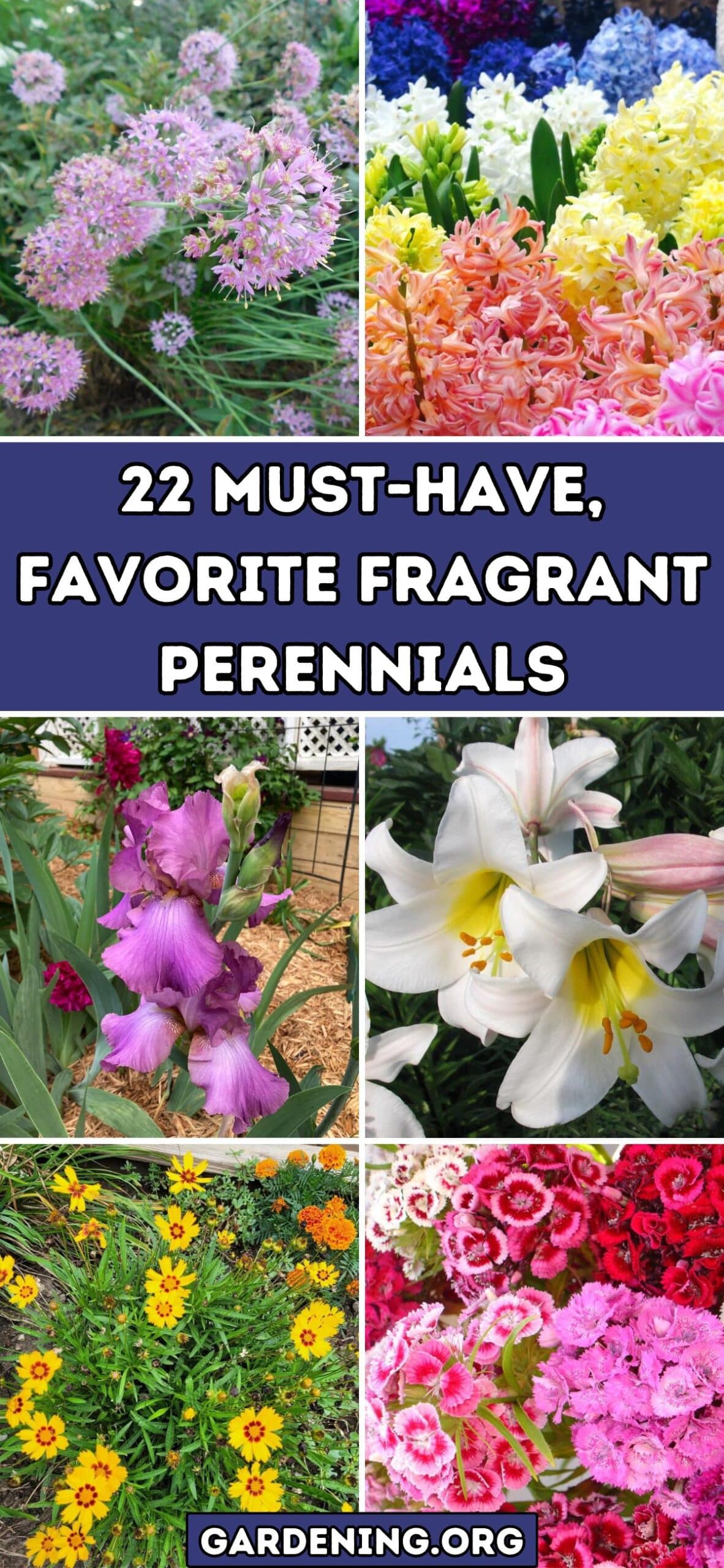
Here are 22 perennials that are sure to add this delightful dimension to the garden.
Note: Some lists of fragrant perennials include woody perennials like roses, jasmine, butterfly bush, lavender, gardenia, and honeysuckle. Though I can definitely go on all day about the best fragrant roses (and already have), this list will concentrate only on herbaceous plants (i.e. with a soft green stem) that are true perennials (i.e. coming back year after year).
Jump to:
- 1. Iris
- 2. Bush Clematis (Clematis heracleifolia)
- 3. Peony
- 4. Cheddar Pink (Dianthus gratianopolitanus)
- 5. Lily of the Valley
- 6. Purple-Flowered Raspberry (Rubus odoratus)
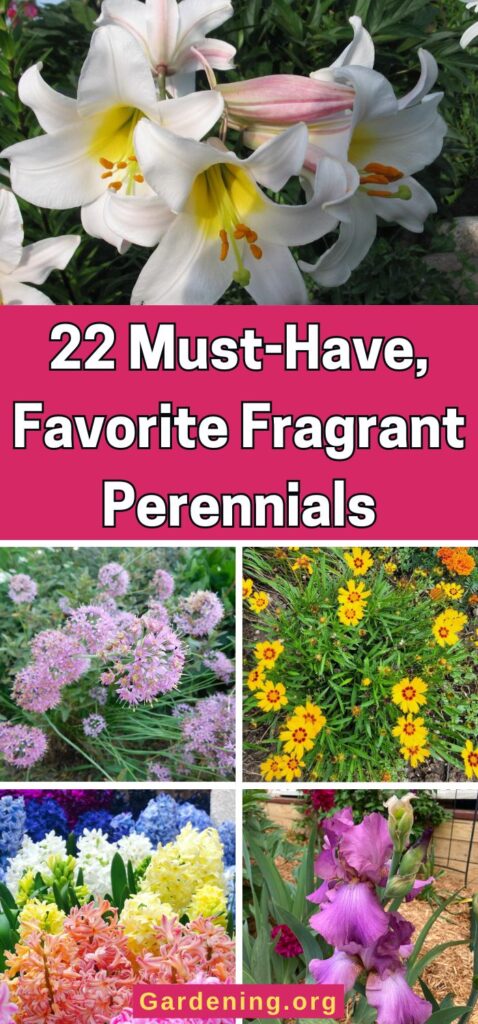
- 7. Oriental Lily
- 8. Garden Phlox (Phlox paniculata)
- 9. Thyme
- 10. Hyacinth
- 11. Rodgersia
- 12. Hyssop (Agastache)
- 13. Allium
- 14. Bee Balm (Monarda)
- 15. Moonflower (Ipomoea alba)
- 16. Tickseed (Coreopsis)
- 17. Sweet William (Dianthus)
- 18. Lupines
- 19. Catmint (Nepeta x faassenii)
- 20. Regal Lily (Lilium regale)
- 21. Pale Evening Primrose (Oenothera pallida)
- 22. Fragrant Plantain Lily (Hosta plantaginea)
1. Iris
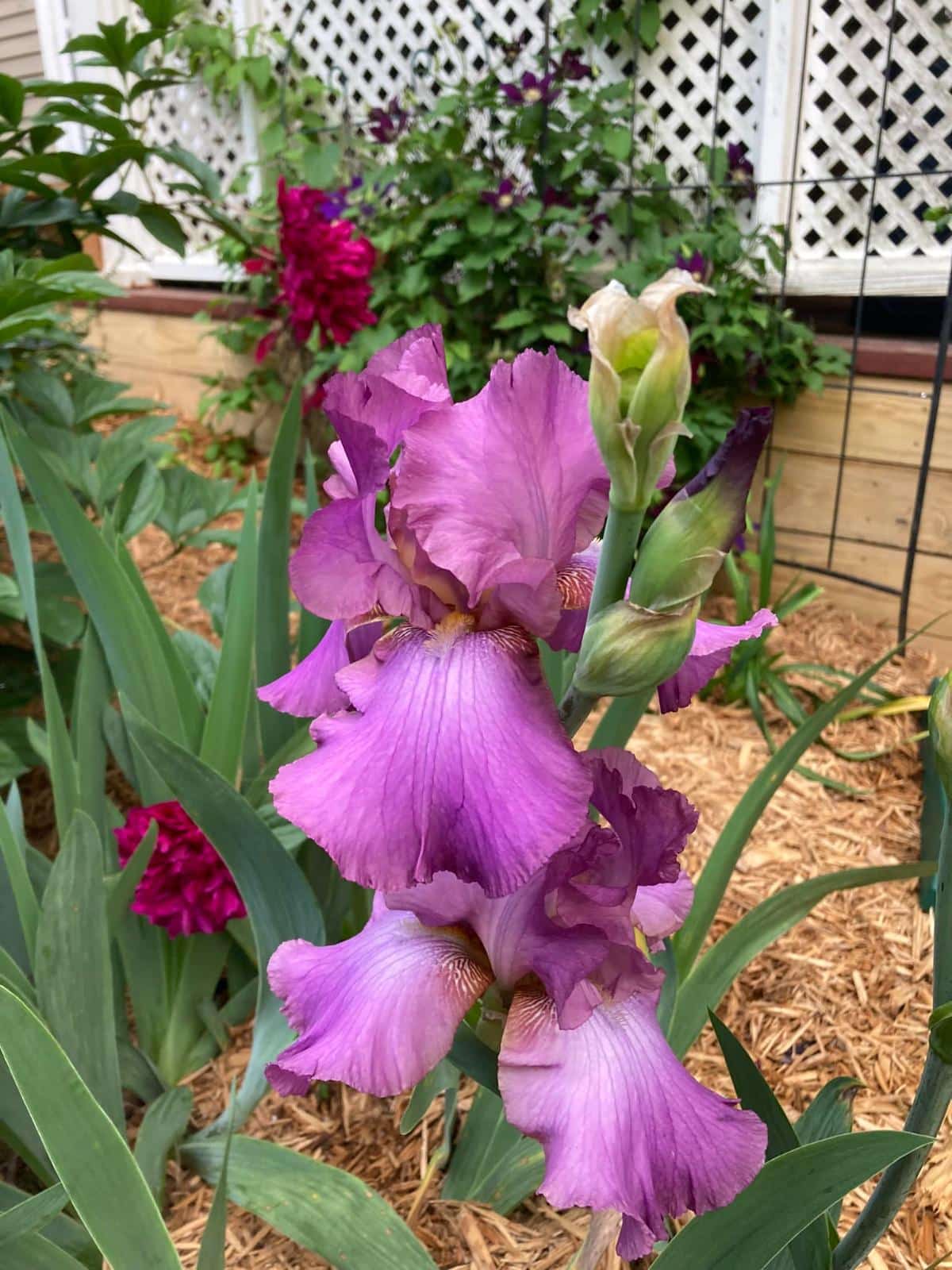
With its iconic sword-like leaves and intricate blooms, the stately iris is a garden favorite. They can grow for decades, as can be seen when at any cemetery. These perpetual perennial picks don’t need a lot of maintenance. Many varieties, especially bearded irises, offer a sweet, fruity fragrance. Their vivid colors and tall, elegant stems and leaves make them perfect for adding a little vertical interest.
2. Bush Clematis (Clematis heracleifolia)
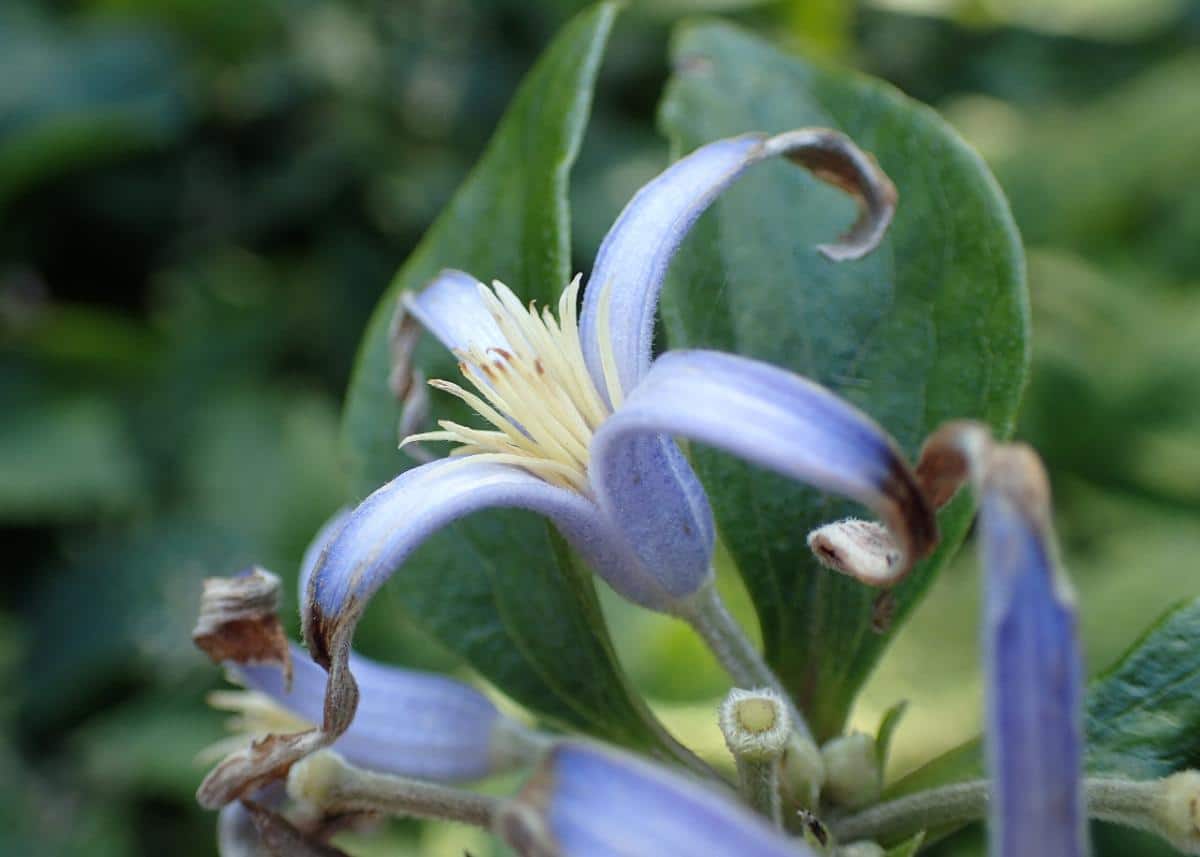
Here’s a surprising clematis. Unlike the vining varieties, bush clematis grows in a shrublike vining form and will need support. In late fall, it produces fragrant, tubular blue flowers that resemble hyacinth flowers. Its scent is reminiscent of orange blossoms.
Varieties of this fragrant perennial include ‘Cassandra’, which won the RHS Award of Garden Merit, 'Crépuscule', which dates from 1900 and is richly fragrant, and ‘Mrs. Robert Brydon’ from 1935, grows to 8 feet tall.
3. Peony
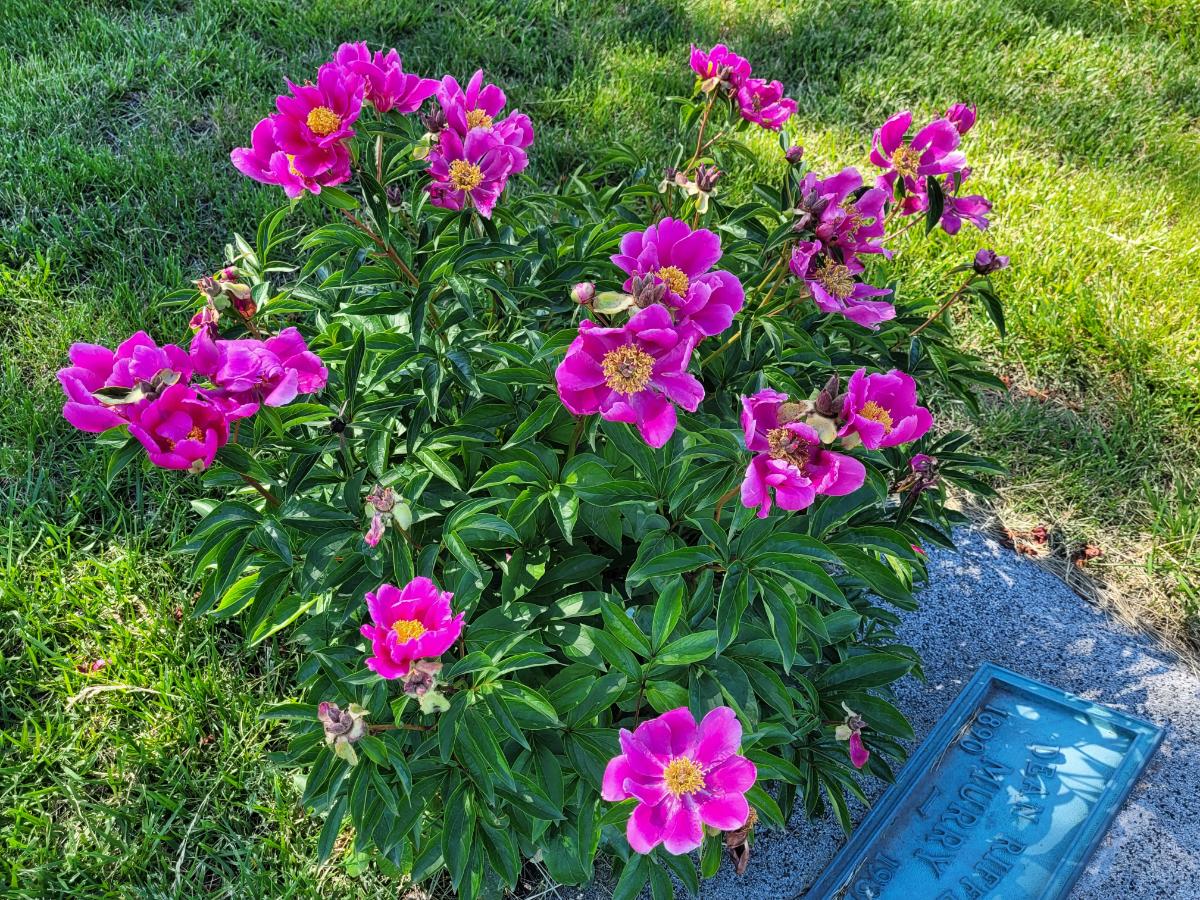
Peonies are beloved for their large, lush, and often intensely fragrant blooms. Their sweet scent and vibrant colors, from soft pinks to deep reds, make them a showstopper in any garden. These fragrant perennials bloom in late spring, just in time for Memorial Day, creating a dramatic early-season display through cemeteries and yards alike.
4. Cheddar Pink (Dianthus gratianopolitanus)
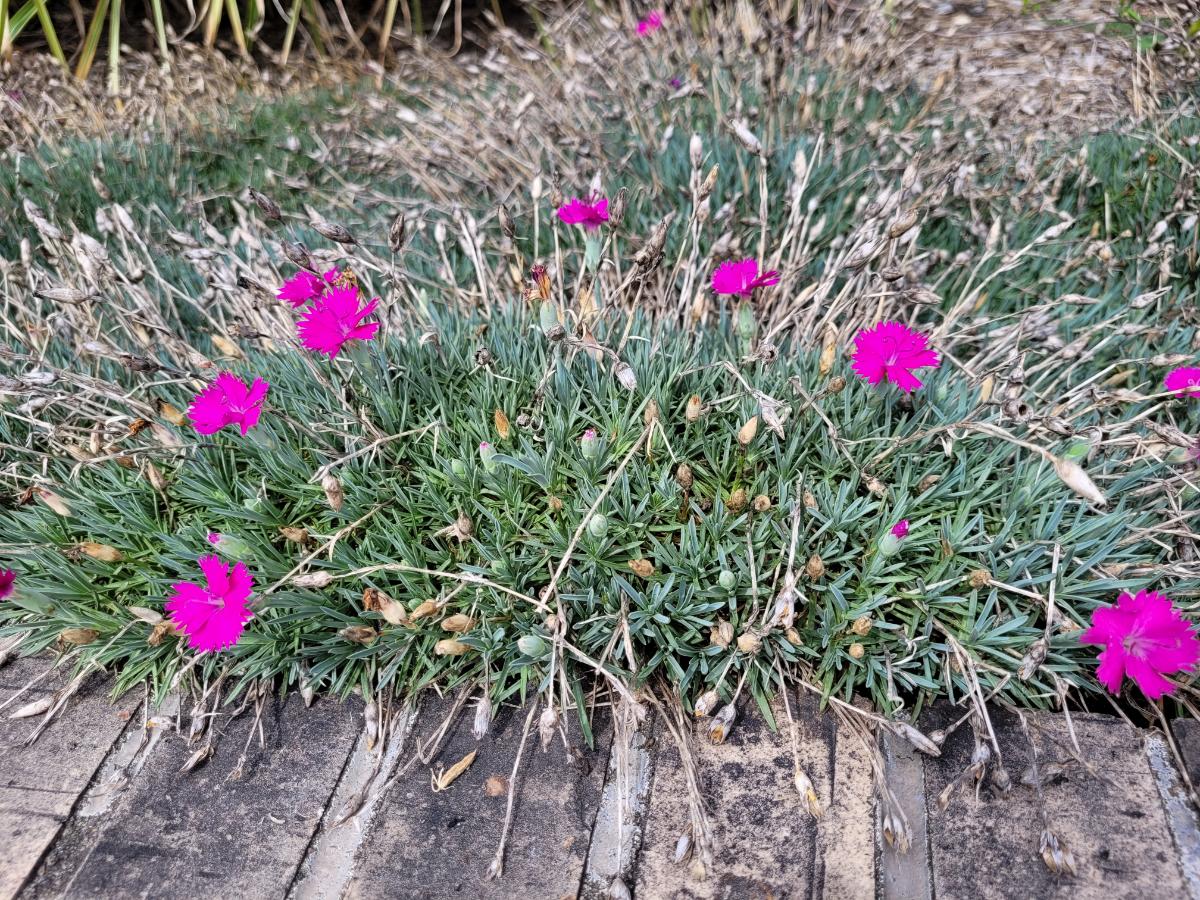
I love these little spicy flowers. Cheddar pinks are low-growing fragrant perennials with sea-green foliage, and they go to town to produce tons of delicate, spicy-scented flowers. Their evergreen foliage forms tidy mounds, while their flowers, ranging from pale pink to fuchsia, give off a clove-like fragrance. They’re tough and take drought and other calamities very well.
5. Lily of the Valley
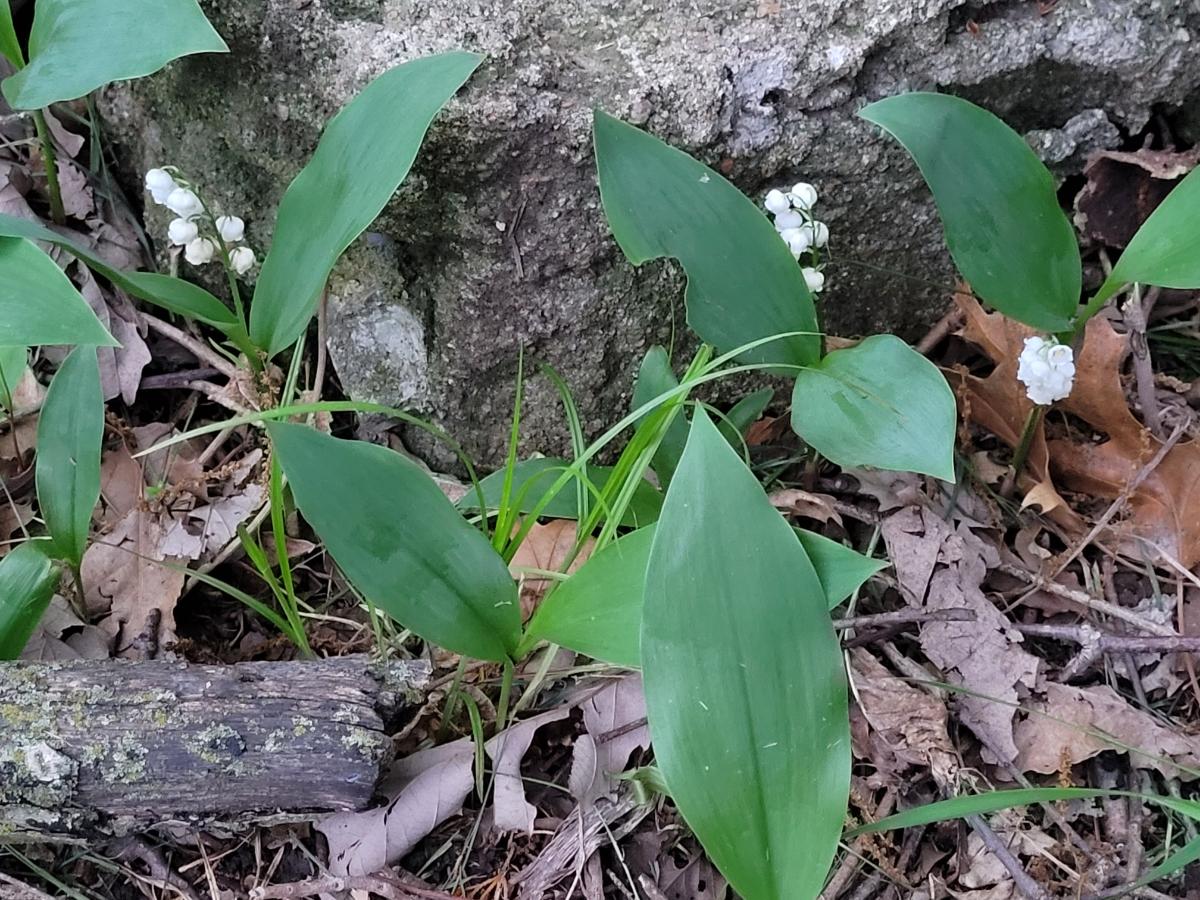
A classic shade-loving fragrant perennial that you might see growing around old houses or even at your grandma’s place. Lily of the Valley produces dainty, bell-shaped white flowers with a strong, sweet fragrance. Its low-growing habit and dense green leaves make it ideal for ground cover in shady spots. It does spread, but for many, that’s part of its appeal.
6. Purple-Flowered Raspberry (Rubus odoratus)
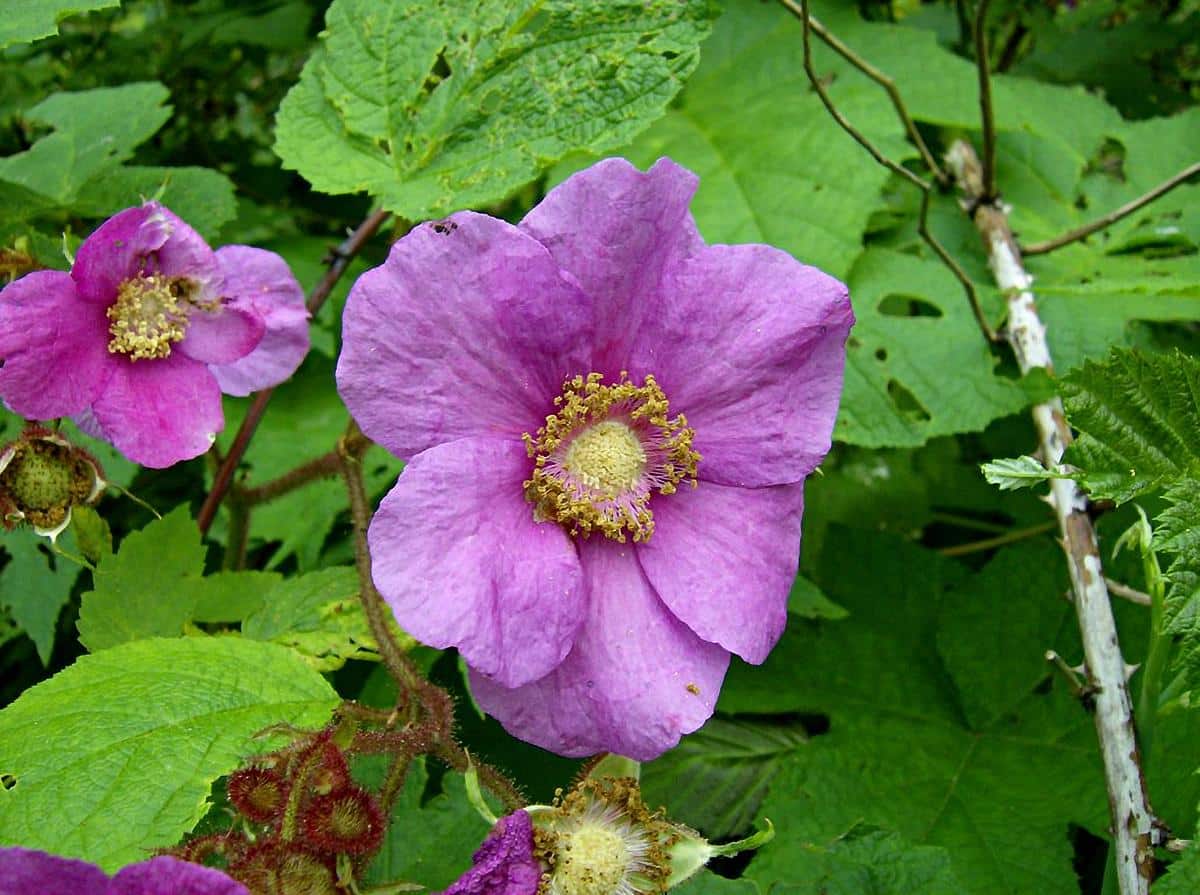
The purple flowering raspberry doesn’t even look like a raspberry relative to me. The leaves are shaped like grape leaves, the fragrant flowers are big and purple, and the canes aren’t thorny. This fragrant perennial produces large, rose-like purple flowers with a sweet fragrance, followed by small, purplish raspberries that aren’t as tasty as its cousins, alas. Its lush foliage and ability to thrive in shady spots make it a lovely addition to woodland gardens.
Read more: A Rainbow of Raspberries
7. Oriental Lily
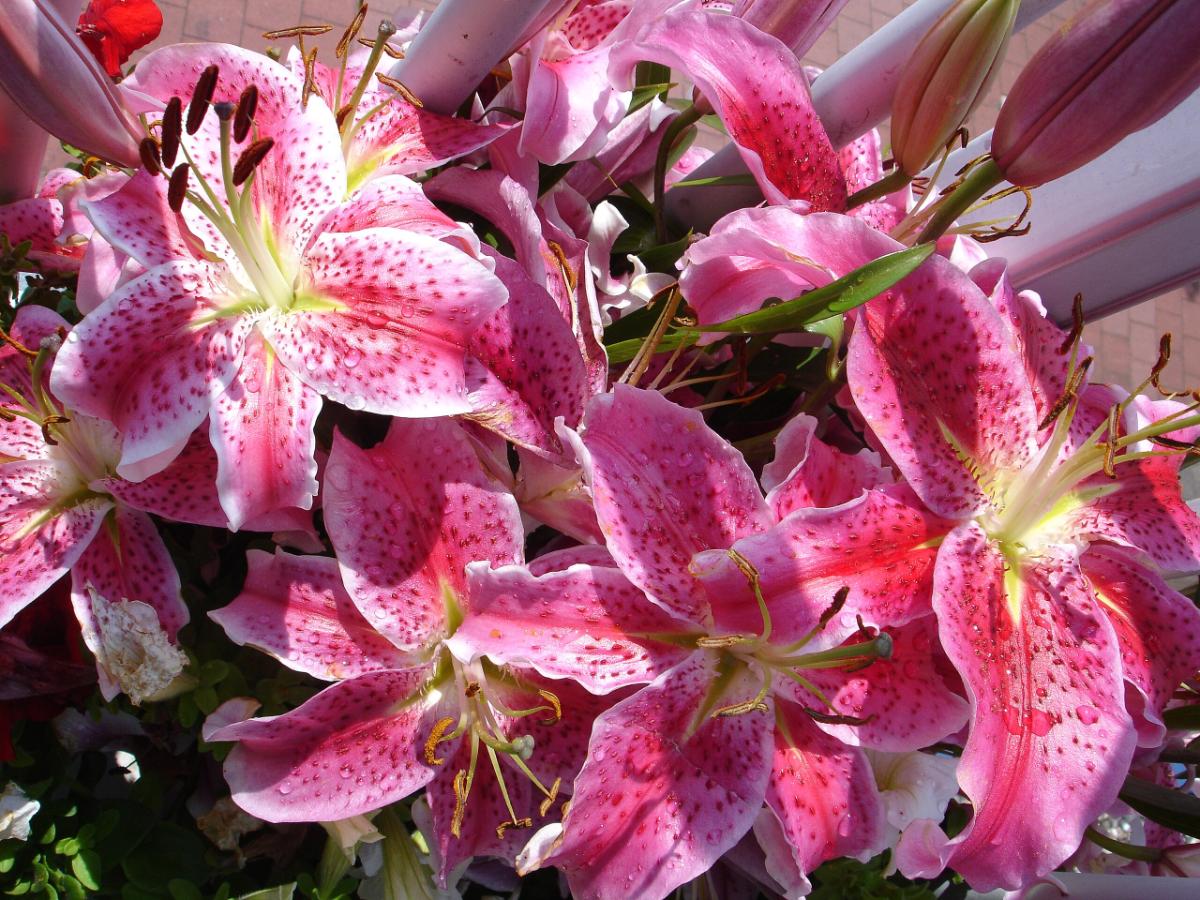
Known for their bold, trumpet-shaped flowers, Oriental lilies exude a powerful, heady fragrance that can fill the entire garden. It’s true. Many, many years ago when I worked at the local greenhouse, a few rows of Stargazers lilies filled an entire 80 foot by 30 foot greenhouse with fragrance. With striking colors like white, pink, and red, these tall plants are great for dramatic floral displays.
8. Garden Phlox (Phlox paniculata)
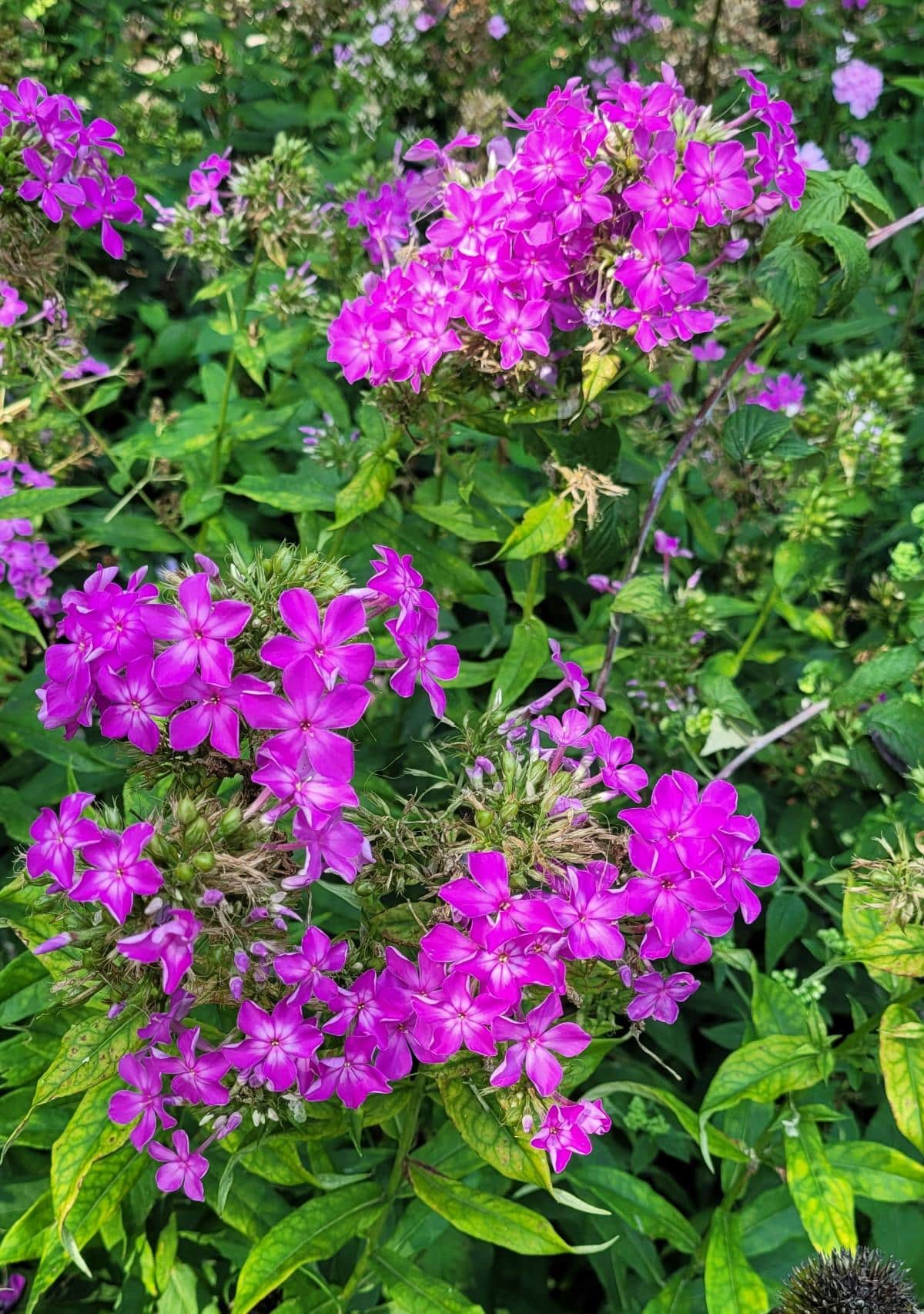
The flowers range from pure white to deep pink, and its sweet, light fragrance attracts butterflies and bees. The older varieties were prone to powdery mildew, but newer phloxes are resistant to the disease. A great back-of-the-border plant. Its relative, creeping phlox, is a groundcover with the same gorgeous types of flowers but not much fragrance, oddly enough.
9. Thyme
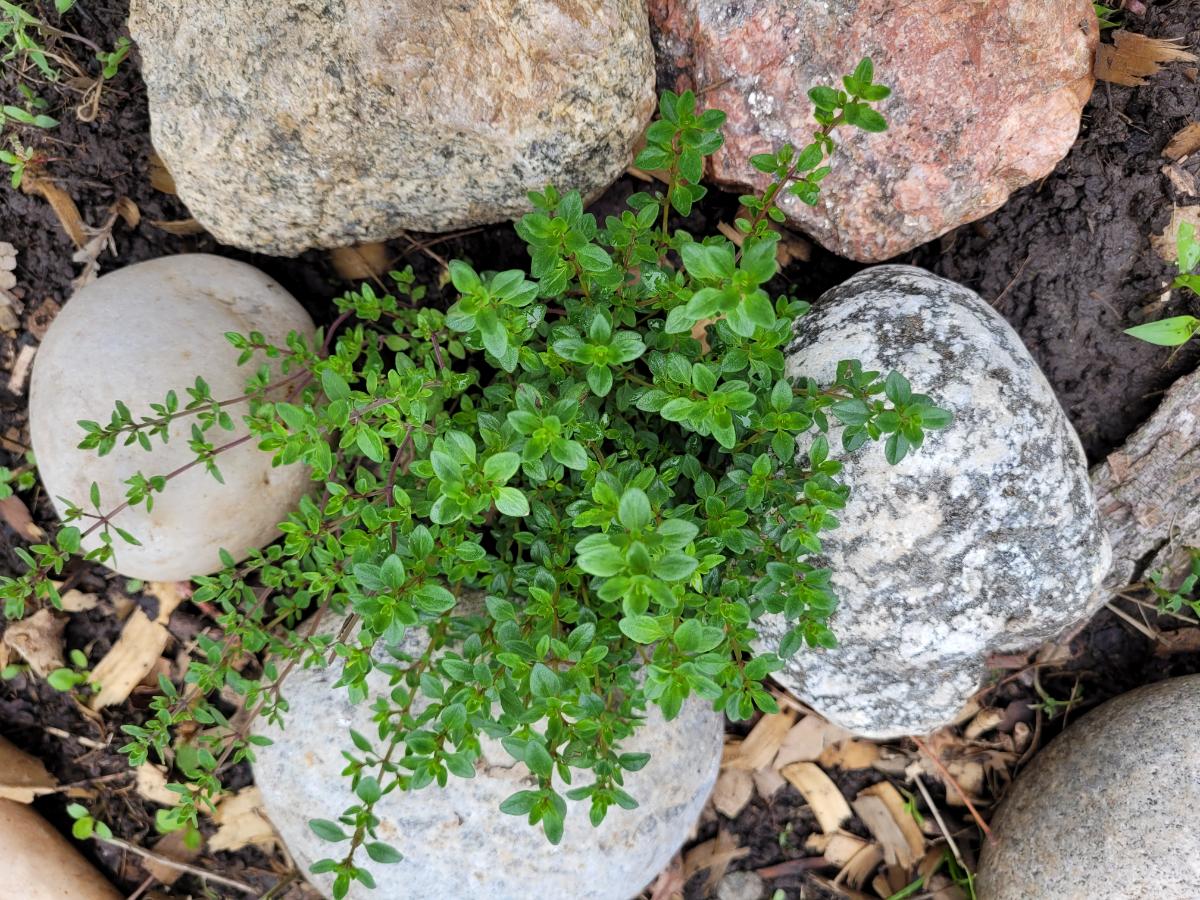
Besides its culinary use, creeping thyme adds a pleasant, earthy fragrance when brushed or stepped on. Its low-growing, mat-forming habit makes it an excellent ground cover, and it produces tiny purple or white flowers that attract pollinators.
Thyme is available in all kinds of different varieties and tastes. Grow it among the stones in the pathway to add fragrance to the air as you walk over it, or turn it loose in your lawn to add pink-purple patches of color to all that boring green.
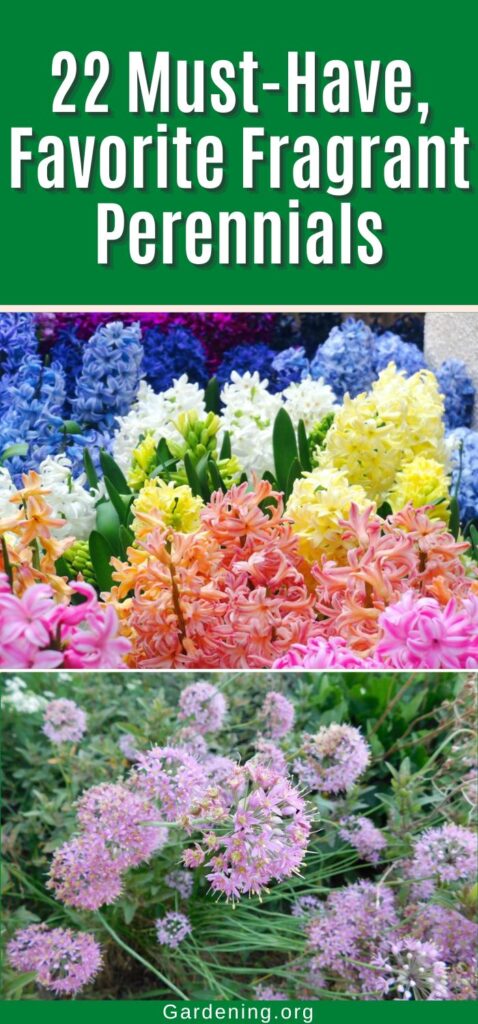
10. Hyacinth
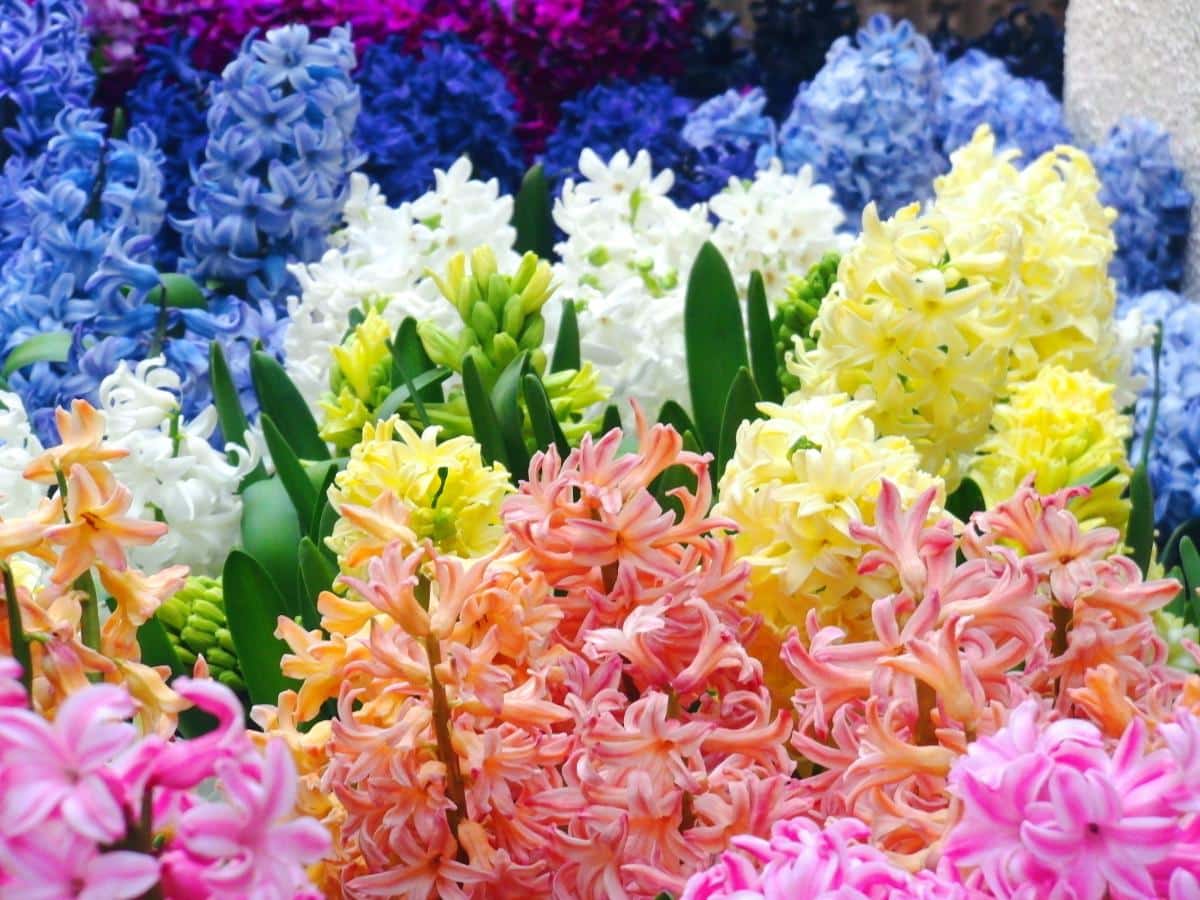
Known for their dense flower spikes, hyacinths release a powerful, sweet fragrance in early spring. What joy it is after a long winter of nothing but grey, white, and brown to suddenly see a crop of hyacinths bursting out through the snow in yellows, blues, purples, and in just about every shade of the rainbow. These really do the heart good.
11. Rodgersia
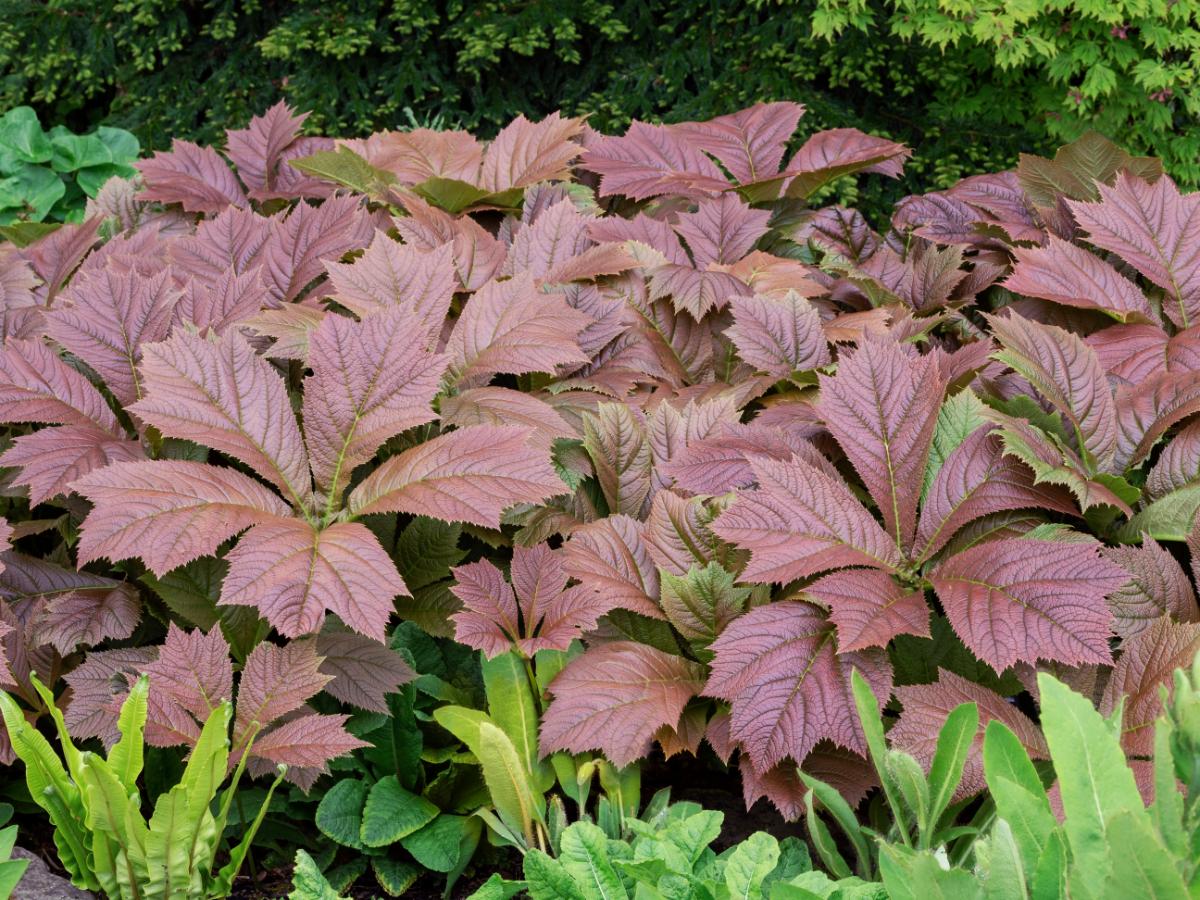
The leaves make an incredible show in the shade garden, showing up with big leaves in dark bronze, burgundy, or green with bronzed edges. Some leaves even change colors with the seasons! The fragrant, foamy flowers rise above the colorful foliage in pink or cream, and the inflorescences stay bright and colorful for a long time.
Rodgersias are overlooked in the world of perennials. They’re hardy, dependable, well-mannered plants if you keep them watered through the season and mulch them.
12. Hyssop (Agastache)
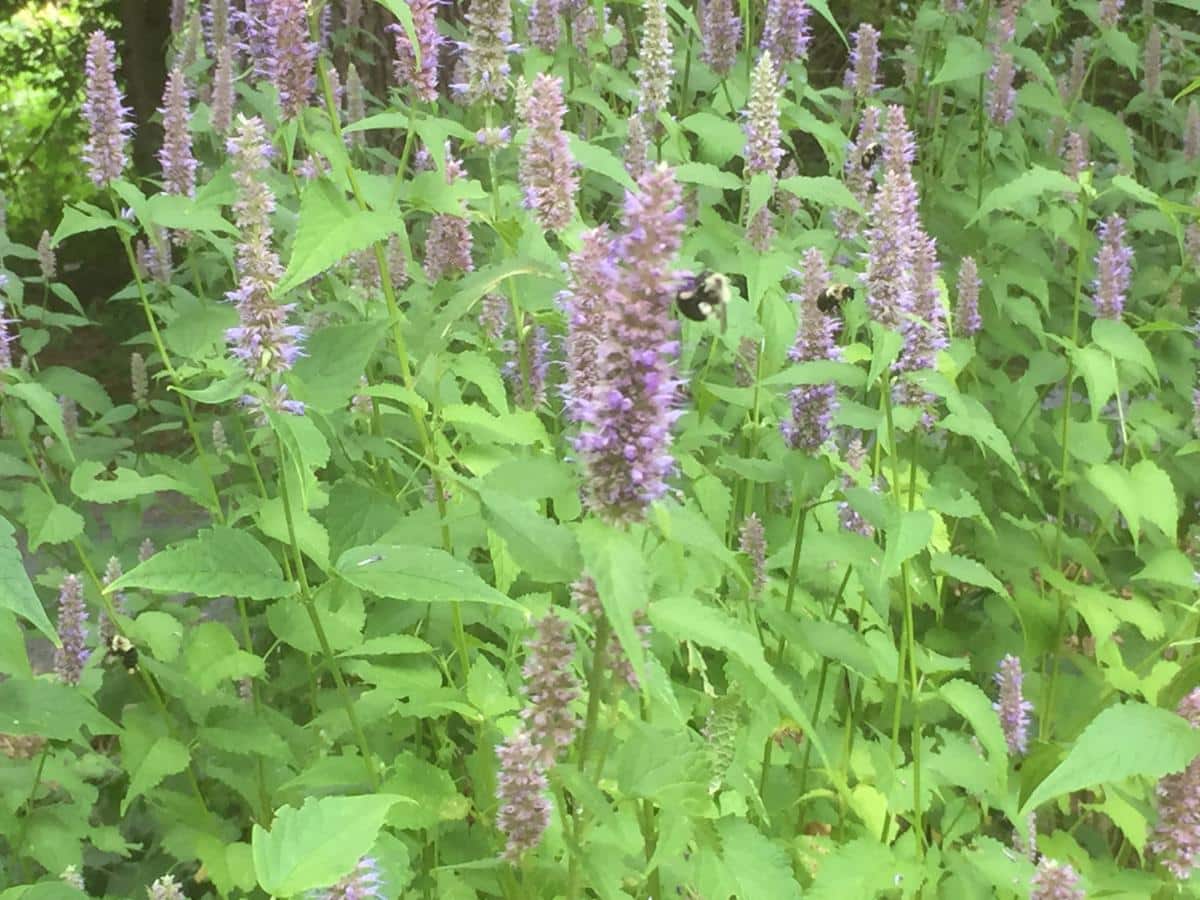
Hyssop has long been a medicinal plant. Its aromatic leaves, with their licorice-mint scent, were used to improve the smell of kitchens and hospitals, and its leaves flavored foods and beverages for centuries. Its fragrant flowers in spikes of pink and purple attract bees, butterflies, and hummingbirds, making it a great addition to pollinator gardens. Variety ‘Tutti Frutti’ really does smell like fruit.
Read more about perennial gardening from Rosefiend Cordell.
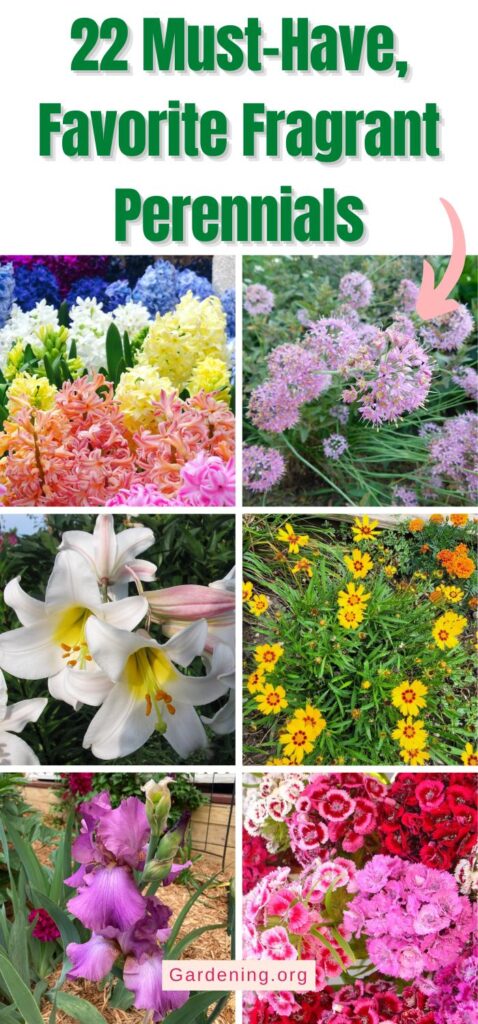
13. Allium
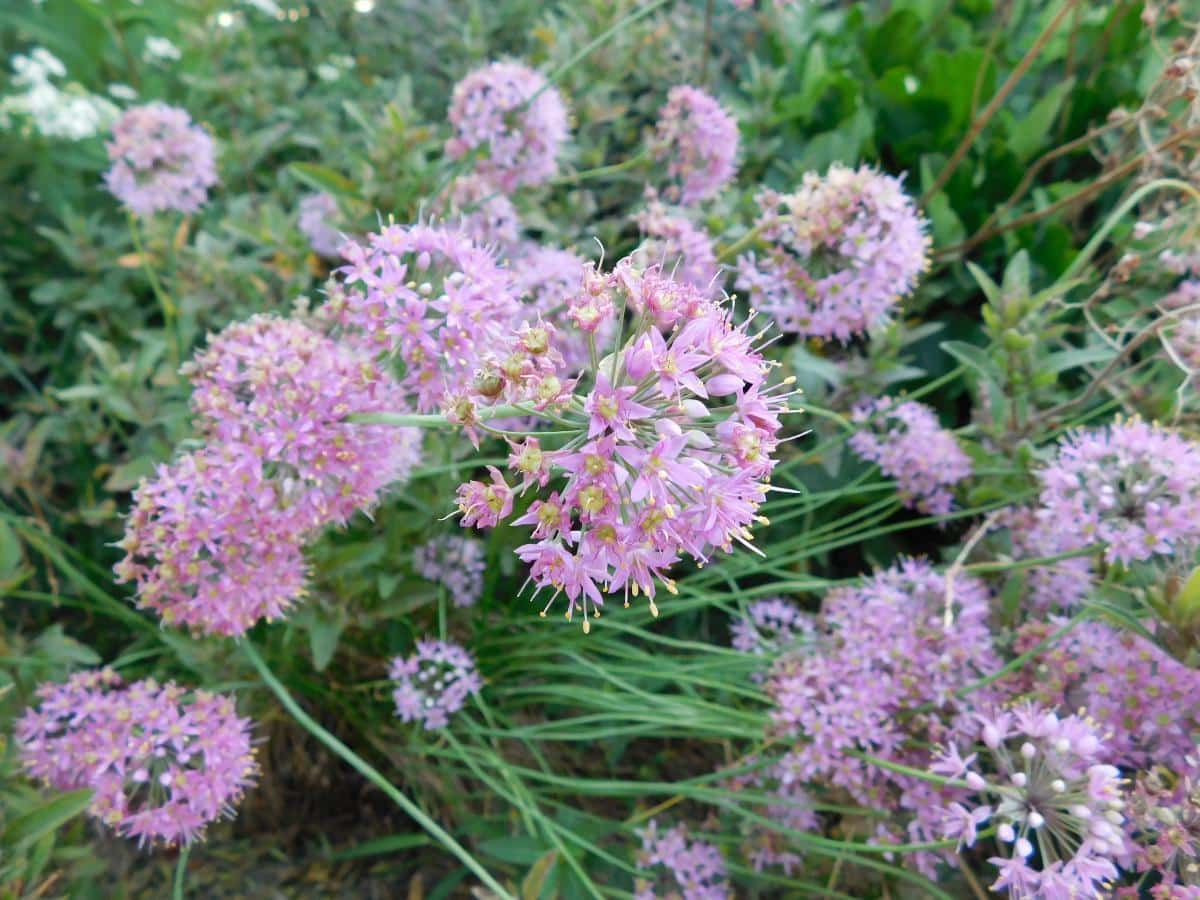
Alliums are primarily known for their architectural, globe-shaped flower heads. Many have a distinct onion-like fragrance – they are, after all, ornamental onions – but some varieties, like ‘Violet Beauty,’ ‘Purple Sensation,’ and ‘Red Eye,’ have sweetly scented flowers about the size of a tennis ball. Their striking flower clusters add unique texture and height to borders.
14. Bee Balm (Monarda)
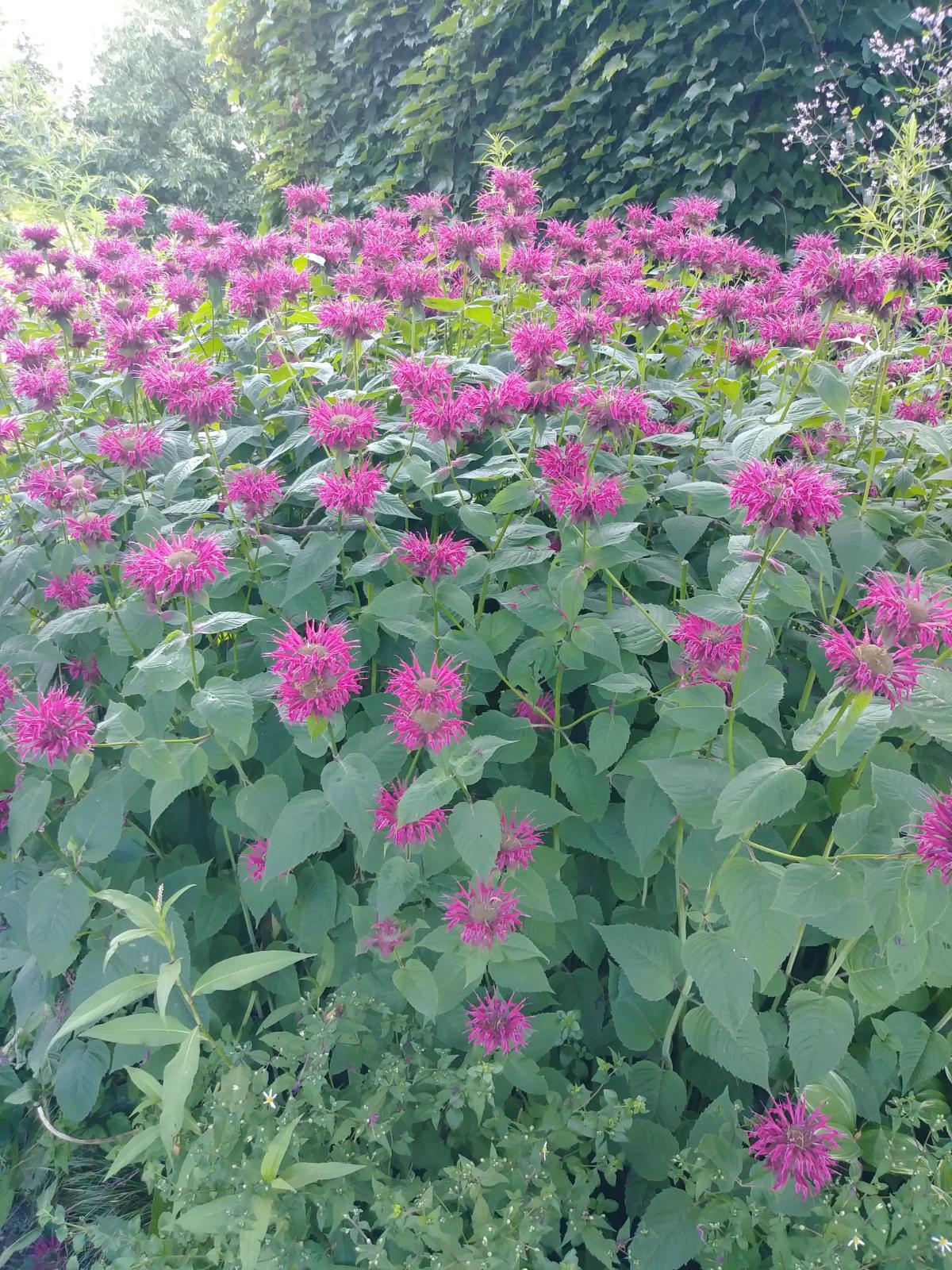
Bee balm, also known as wild bergamot or horse mint, is a sturdy plant famous for its minty fragrance and bright, shaggy flowers in red, white, pink, or lavender. Its nectar-rich flowers are favorites of bees, hummingbirds, and butterflies in late spring and early summer. These will self-seed and also spread, so keep an eye on them.
15. Moonflower (Ipomoea alba)
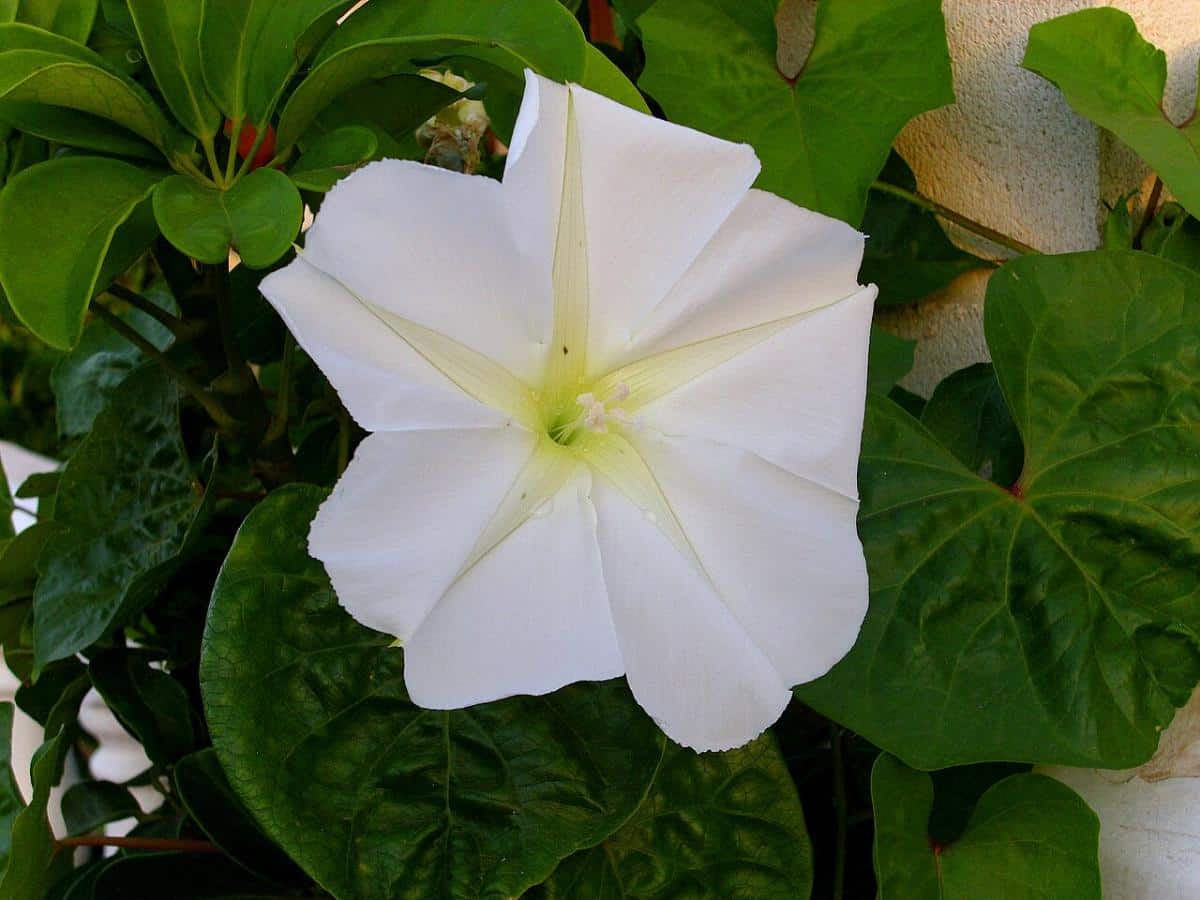
Hardy in warm climates (Zones 9-12), this twining vine bears big white flowers that unfurl like umbrellas to open at night – and what a scent! Grown as an annual in northern areas, the moonflower is a perfect choice for the night garden.
Note: Plant and seeds are mildly toxic to humans and pets.
Additional note: The seeds are deucedly hard to germinate. Before planting, soak them in water for several hours, then use nail clippers to snip off a bit of the seed coat so they can sprout.
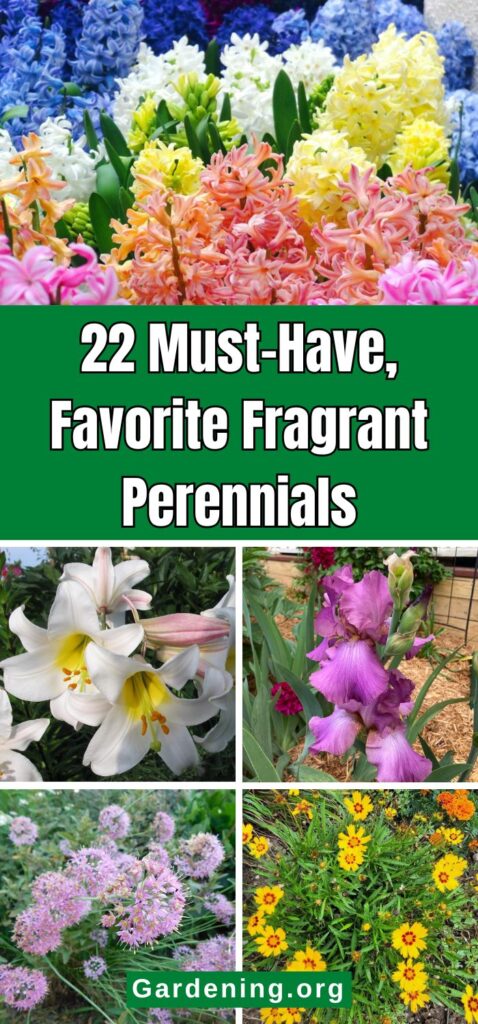
16. Tickseed (Coreopsis)
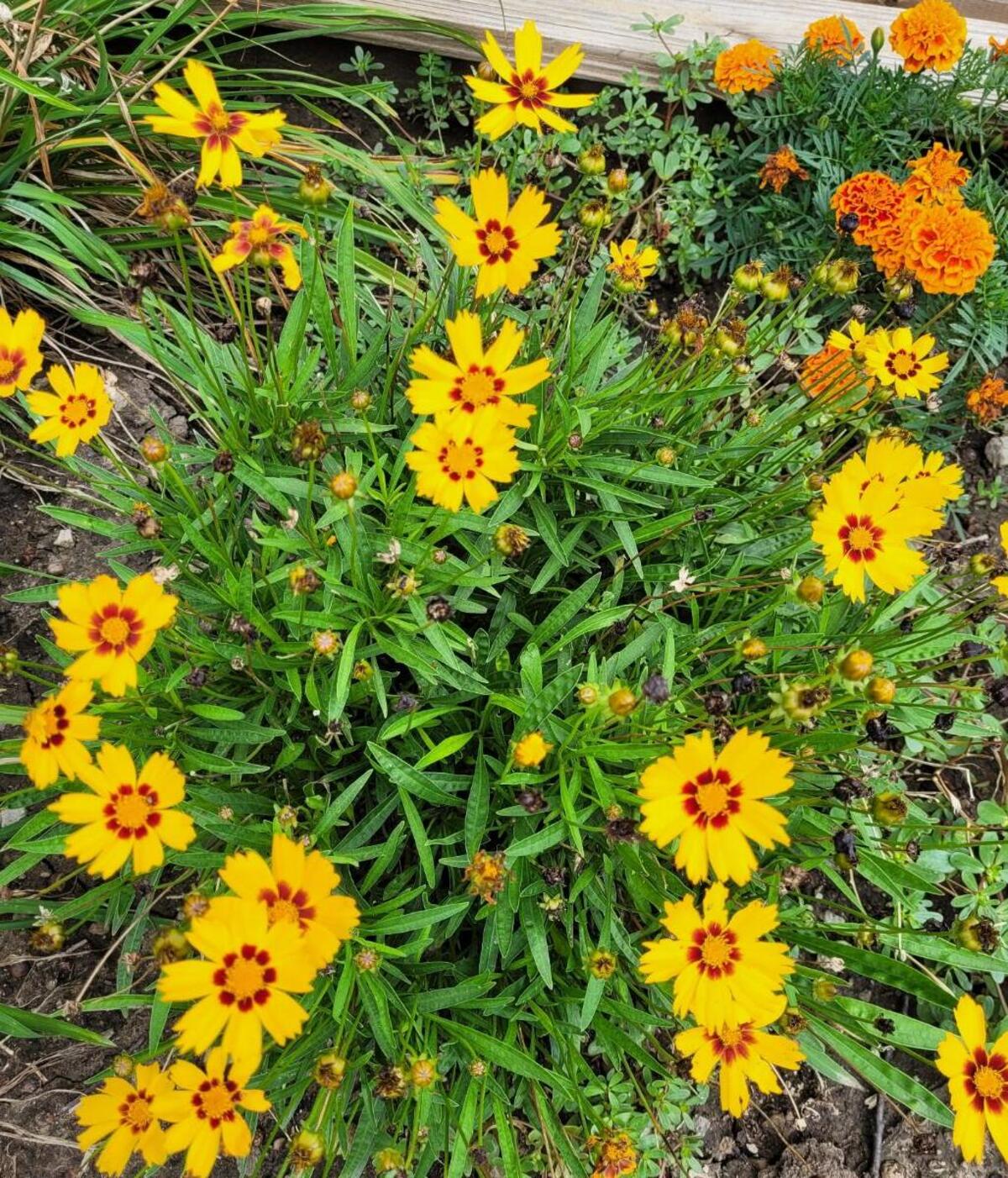
Known for its cheerful, daisy-like flowers, coreopsis has traditionally added a bright burst of yellow and orange to the garden. These days, coreopsis varieties are also available in dark red, white, pink, and bright orange variations. It also has a double form whose flowers look like pompoms. Tickseed flowers have a mild fragrance, and their drought-tolerant nature makes it easy to grow in the perennial garden.
17. Sweet William (Dianthus)
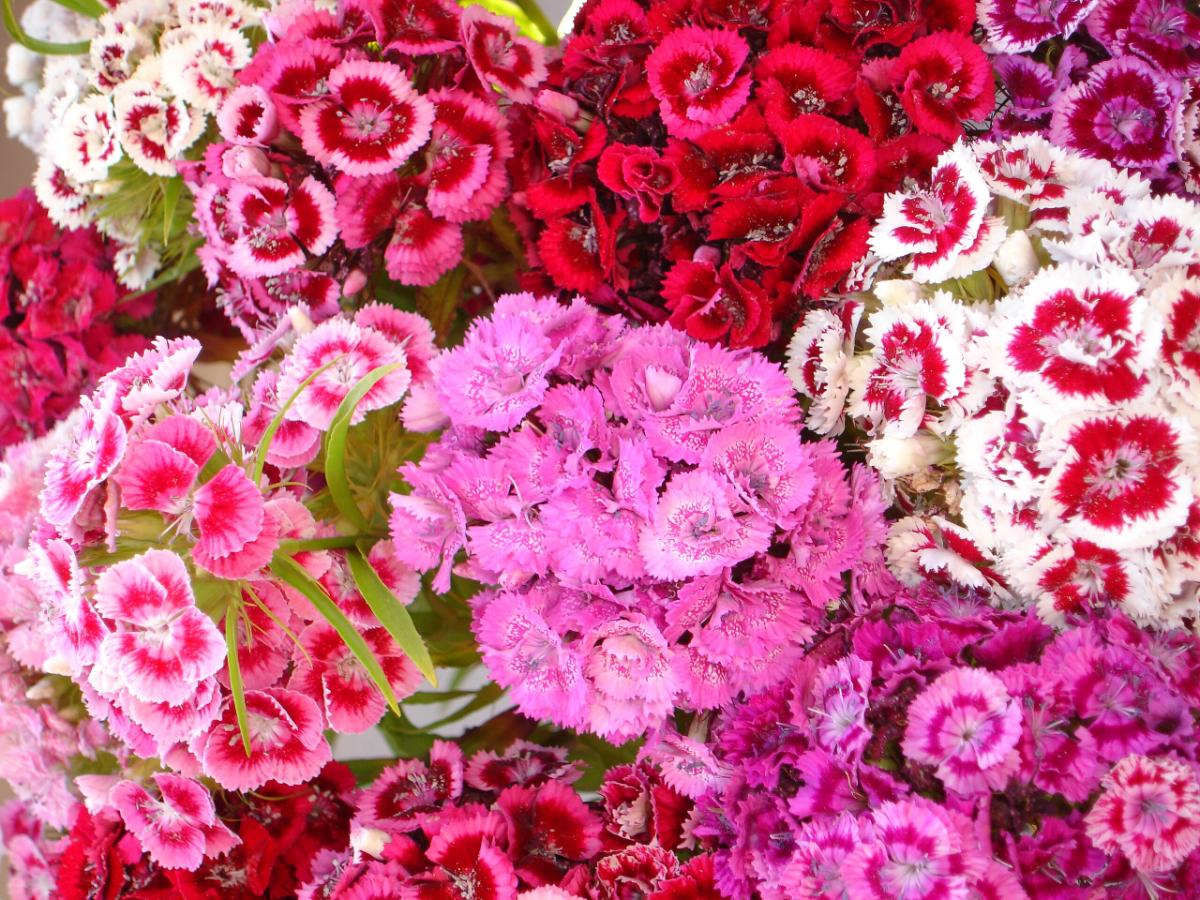
Sweet William, another dianthus variety, is beloved for its spicy, clove-like fragrance and ruffled fringed flowers. This dianthus can be found in shades of pink, red, and white and is great for edging or as cut flowers. This particular strain reminds me of the sweet Williams that Grandma Anna grew in her garden long ago.
18. Lupines
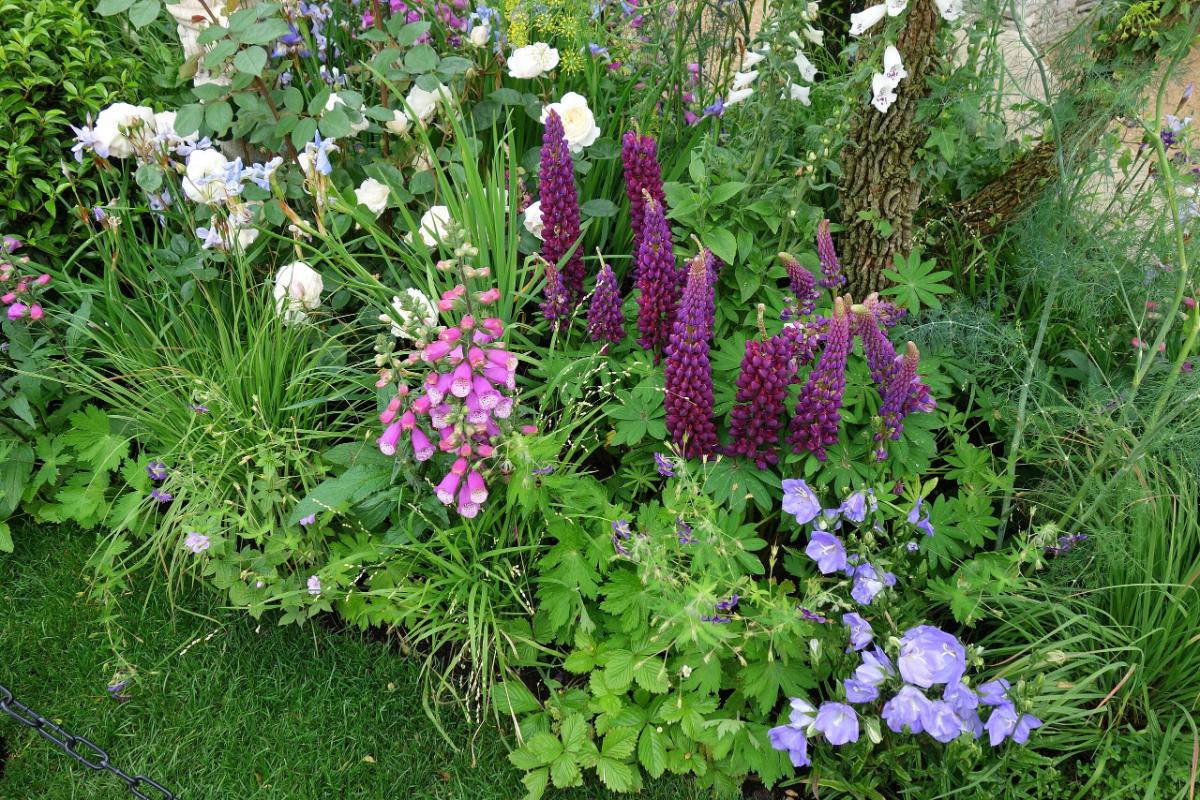
Lupines provide tall spires of pea-like flowers in shades of blue, purple, and pink. Their dramatic flower spikes add height and texture to the perennial garden.
Only a few varieties of lupines are fragrant. The Russell hybrids have a honey-like scent, and two white lupines called ‘Noble Maiden’ and ‘Snow Queen’ also have a nice fragrance.
One lupine native to the southwestern United States, Lupinus excubitus, is called the grape soda lupine because it really does smell like grape pop!
19. Catmint (Nepeta x faassenii)
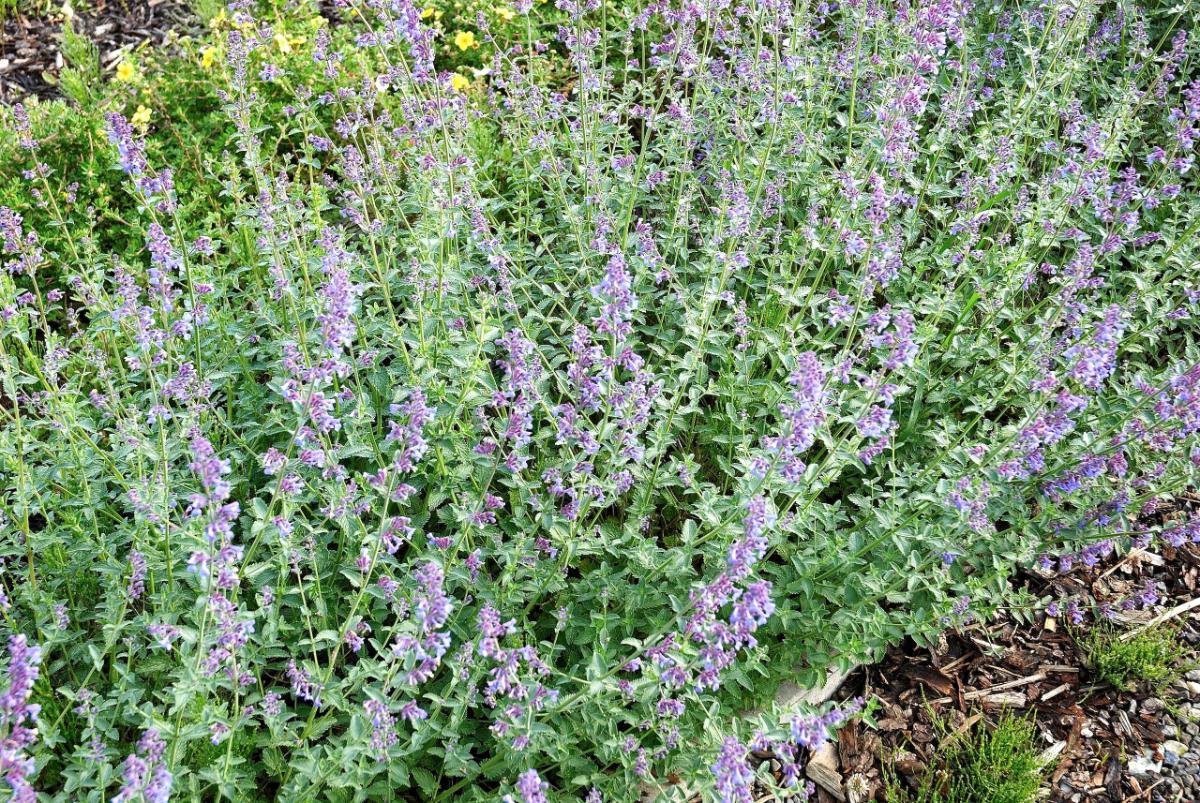
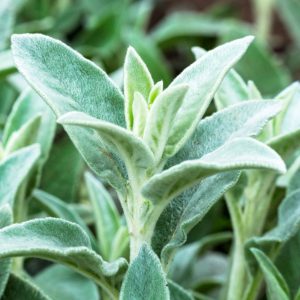
Nepeta’s gray-green foliage has a minty aroma, and its lavender-blue flowers bloom throughout the summer, attracting pollinators. It’s a low-maintenance plant that adds softness to garden borders. Catmint is a cousin to catnip, but don’t worry – cats that eat catnip plants down to the nubbins might rub up against a catmint plant, but they’ll leave it alone.
Good catmint varieties include ‘Select Blue,’ ‘Walker’s Low,’ ‘SylvesterBlue,’ ‘Cat’s Meow,’ and ‘Purrsian Blue.’ Something about catmint sure brings out the cat puns.
20. Regal Lily (Lilium regale)
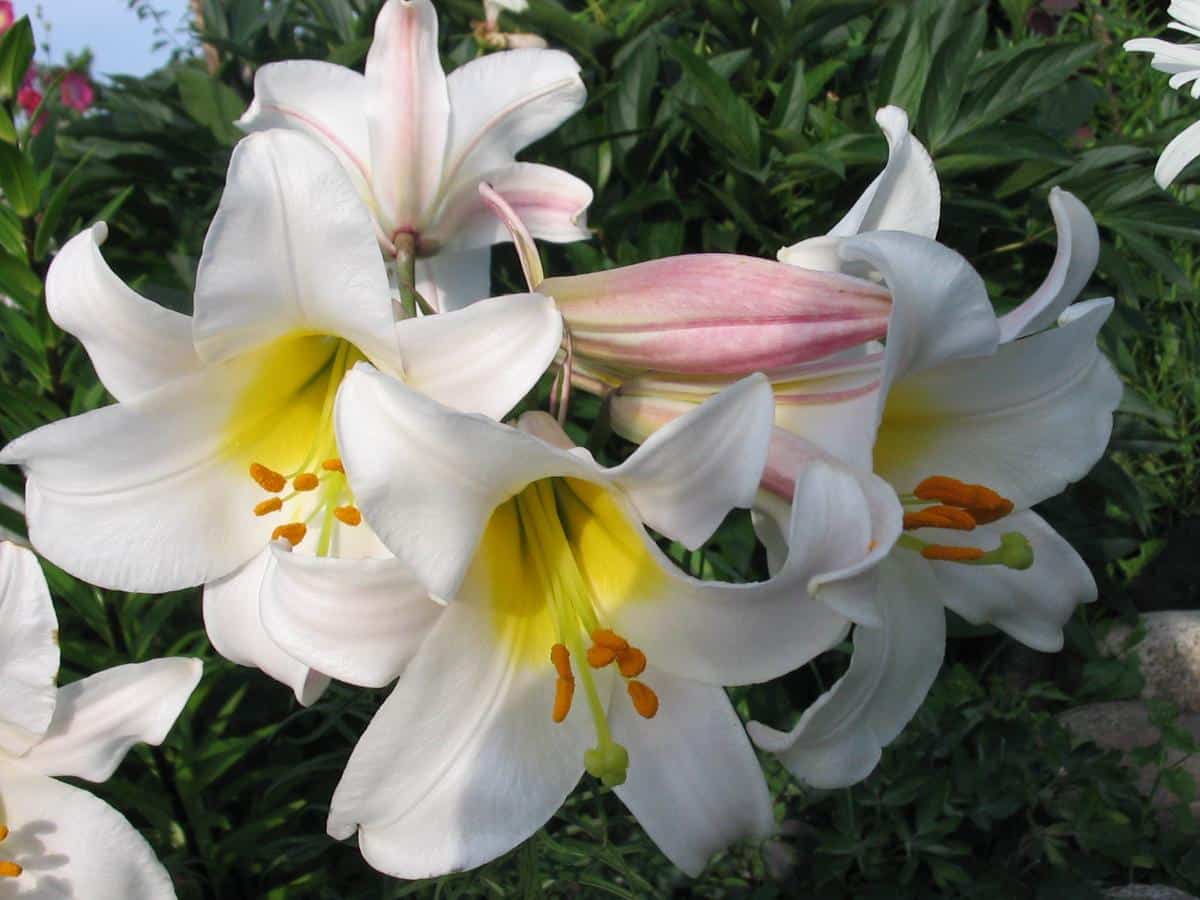
This lily produces fragrant white trumpets on tall stems, even though it is smaller in stature than other lilies. It blooms in late summer, offering a sweet scent in the garden. Regal lilies are one of the easiest lilies to grow in most temperate gardens, though they might need staking to support the many generous blooms in summer.
Note: If you have cats that like to eat plants, skip this lily, as ingesting it might cause renal failure in cats.
21. Pale Evening Primrose (Oenothera pallida)
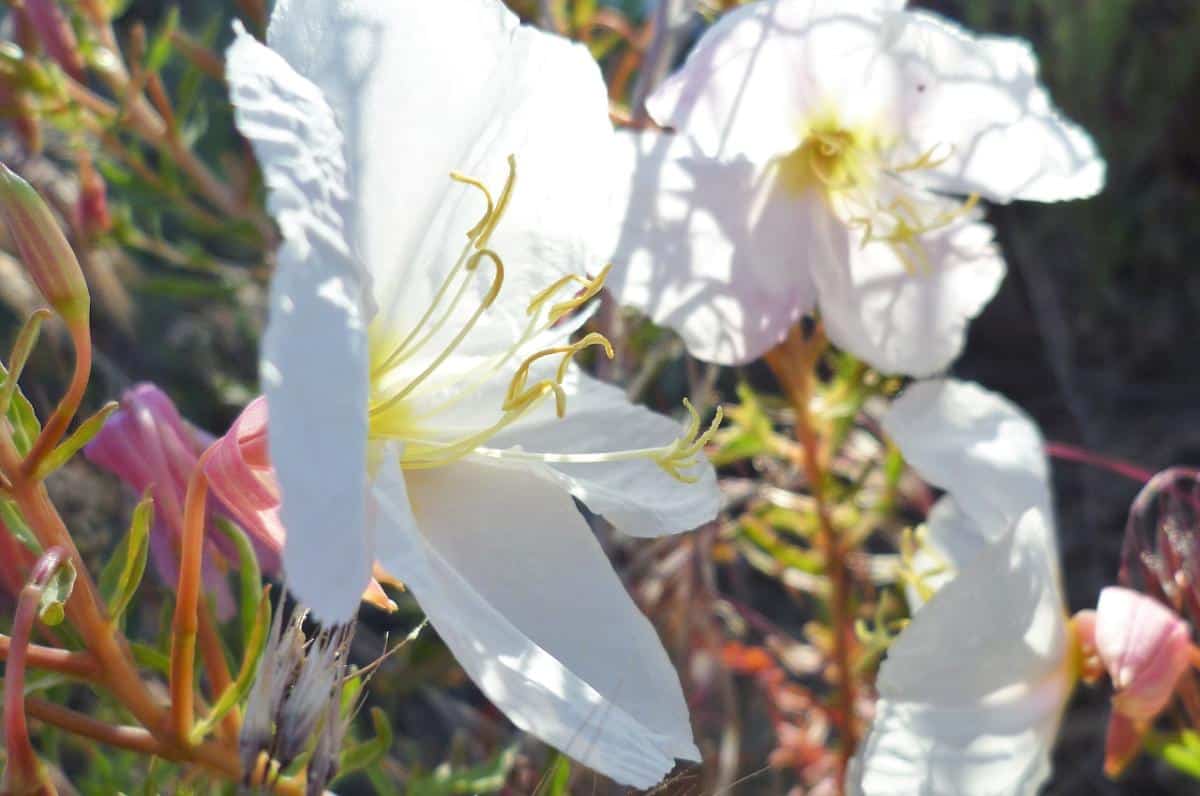
This evening bloomer, native to the sandy or rocky soils of Colorado, opens its pale white flowers at dusk, releasing a light, sweet fragrance. As the flowers mature, they take on a pink tone. Though its flowers look delicate, don’t be fooled. Its excellent drought tolerance makes it a great addition to xeriscapes. It’s also good for erosion control.
22. Fragrant Plantain Lily (Hosta plantaginea)
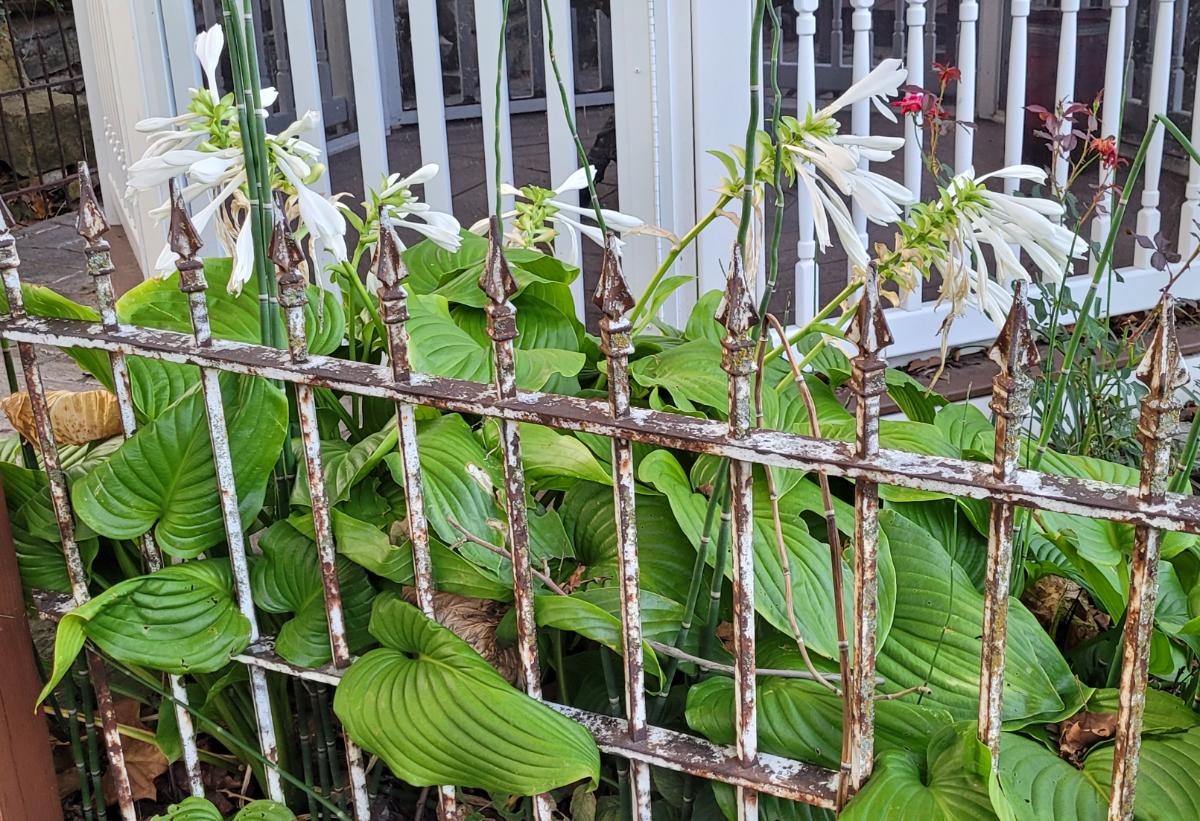
Known for its large, glossy leaves and intensely fragrant white flowers, this popular hosta is perfect for shaded gardens. The flowers bloom in late summer and are especially fragrant in the evening. This fragrant perennial is easy to grow, which is part of why it’s so widespread.
Read more gardening advice from Rosefiend Cordell.
Leave a Reply