
There are many plants that can be successfully overwintered in pots inside and then grown on in the next garden season. (And in successive seasons after that.)
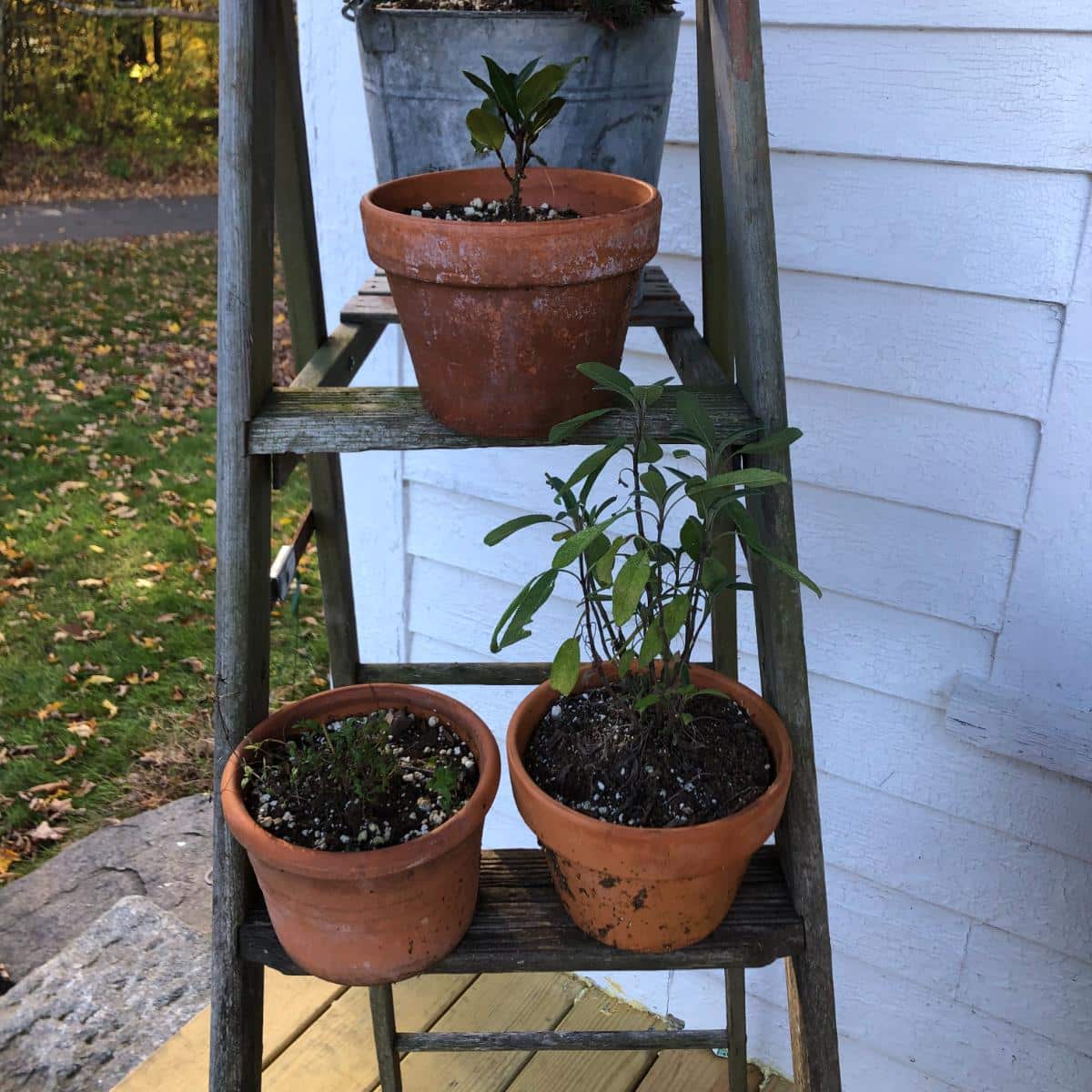
Overwintering lets you keep growing perennials that are not hardy enough to survive the winter in your location outside.
It’s a way to create truly heirloom living plants!
Jump to:
- Is Overwintering for Container Plants, Ground Plants, Or Both?
- Why Overwinter Dormant Plants
- A Few Keys to Dormant Plant Survival
- 1. A Cool, Dark Location
- 2. Consistent Conditions
- 3. Moderated Moisture
- Other Tips for Success with Dormant Overwintering Plants
- Expand Your Idea of Perennials
- Reading, References, and Resources:
Is Overwintering for Container Plants, Ground Plants, Or Both?
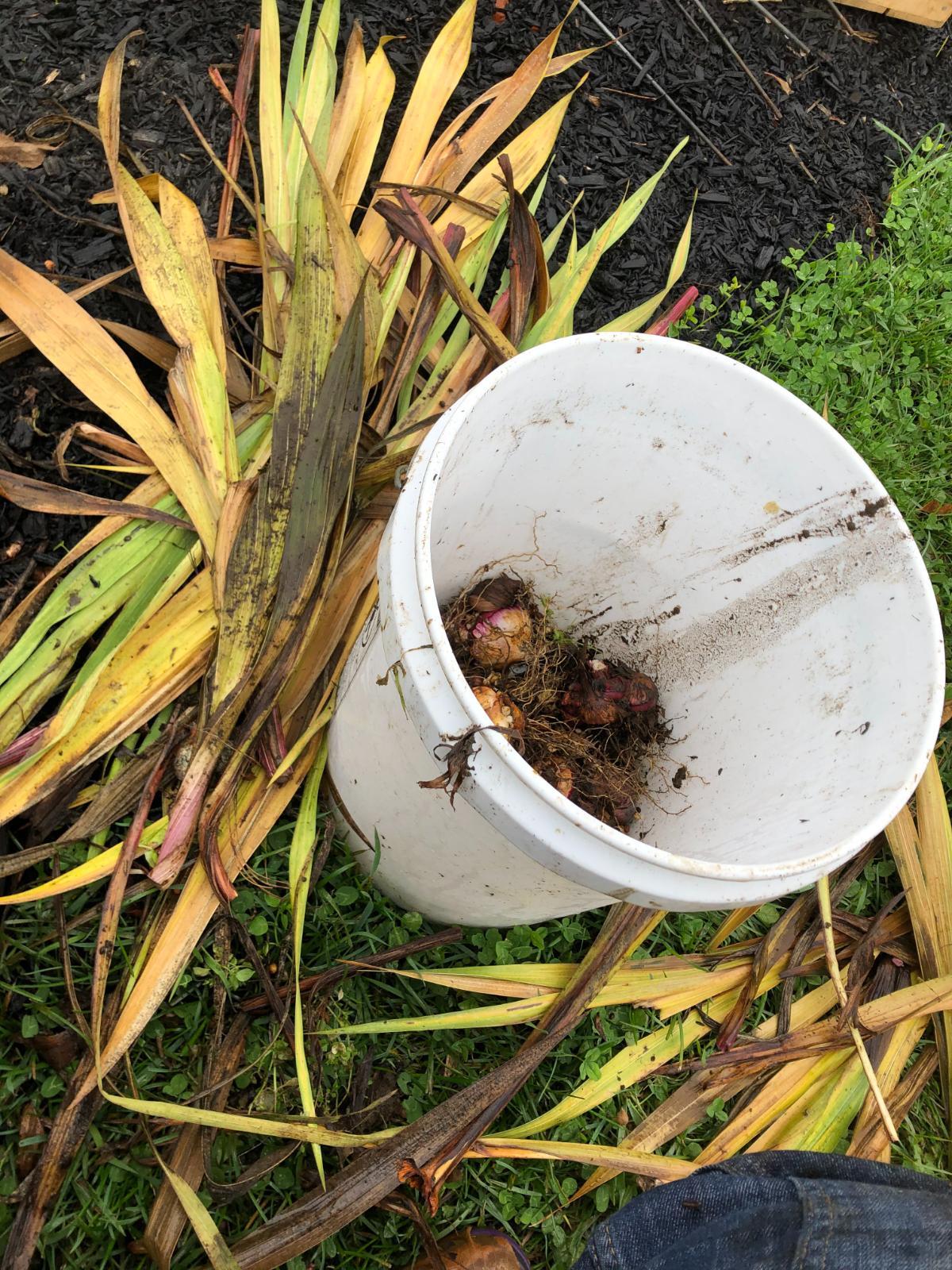
You can overwinter potted plants and container plants. You can also overwinter tender or semi-tender perennials that you grow in the ground, then dig them, pot them up, and let them lie dormant inside for the winter.
Then, when the conditions are tolerable outdoors again in the spring, you can take those plants outside to be replanted, or, in the case of container-grown plants, revive and regrow your containers outside for another season.
Why Overwinter Dormant Plants
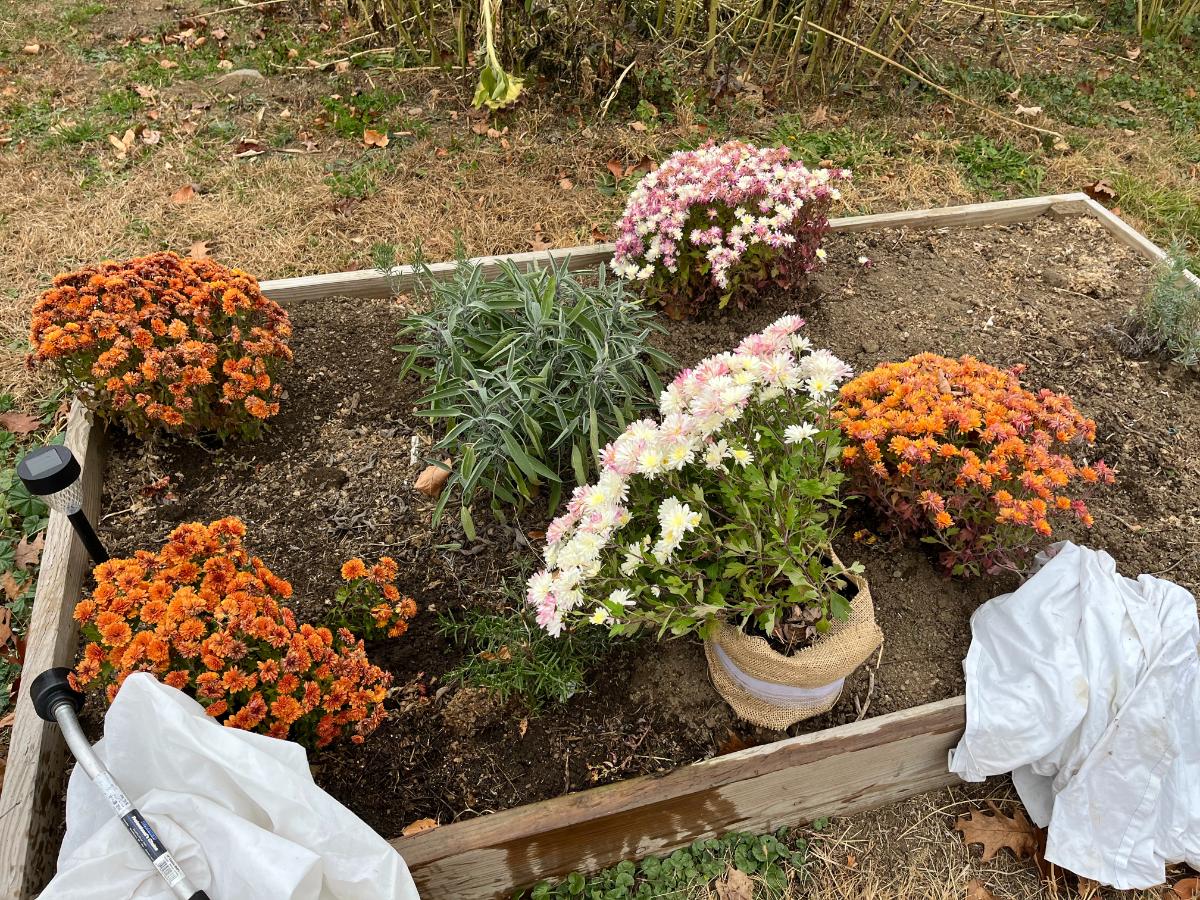
Overwintering is a skill that has been forgotten by many people; or, for some, it was never known to begin with.
This is a skill our grandparents employed regularly. They did it because they knew the value of both an established plant and of money. They also did it because they did not have access to the wide variety of exotic, unique, or even replacement plants that we have at the touch of a keyboard today.
These are often plants of great value that, without overwintering, we end up spending money on over and over every year.
It is worth putting in the effort of overwintering your favorite plants for a number of good reasons:
- Overwintering saves money on replacement plants
- Overwintering preserves unique varieties that may or may not be available in years to come
- Let's you save your favorite and most valued plants
- Starts the spring off with well-established, large plants with large root systems -- bigger, better plants, getting bigger and better every year!
- Reduces the chances of bringing in disease spores or pests to your property with new plants every year
A Few Keys to Dormant Plant Survival
Overwintering plants as dormant plants is not hard. It’s basically a process of near neglect (but not quite completely ignoring them).
That said, there are a few key things that translate into overwintering success. Read: Ultimate Plant Survival.
If you’ve ever attempted to overwinter a plant indoors and had limited results or outright failures, one of these key needs is probably to blame.
And if you’ve never attempted overwintering but want to, knowing these three things will set you up for simple success!
1. A Cool, Dark Location
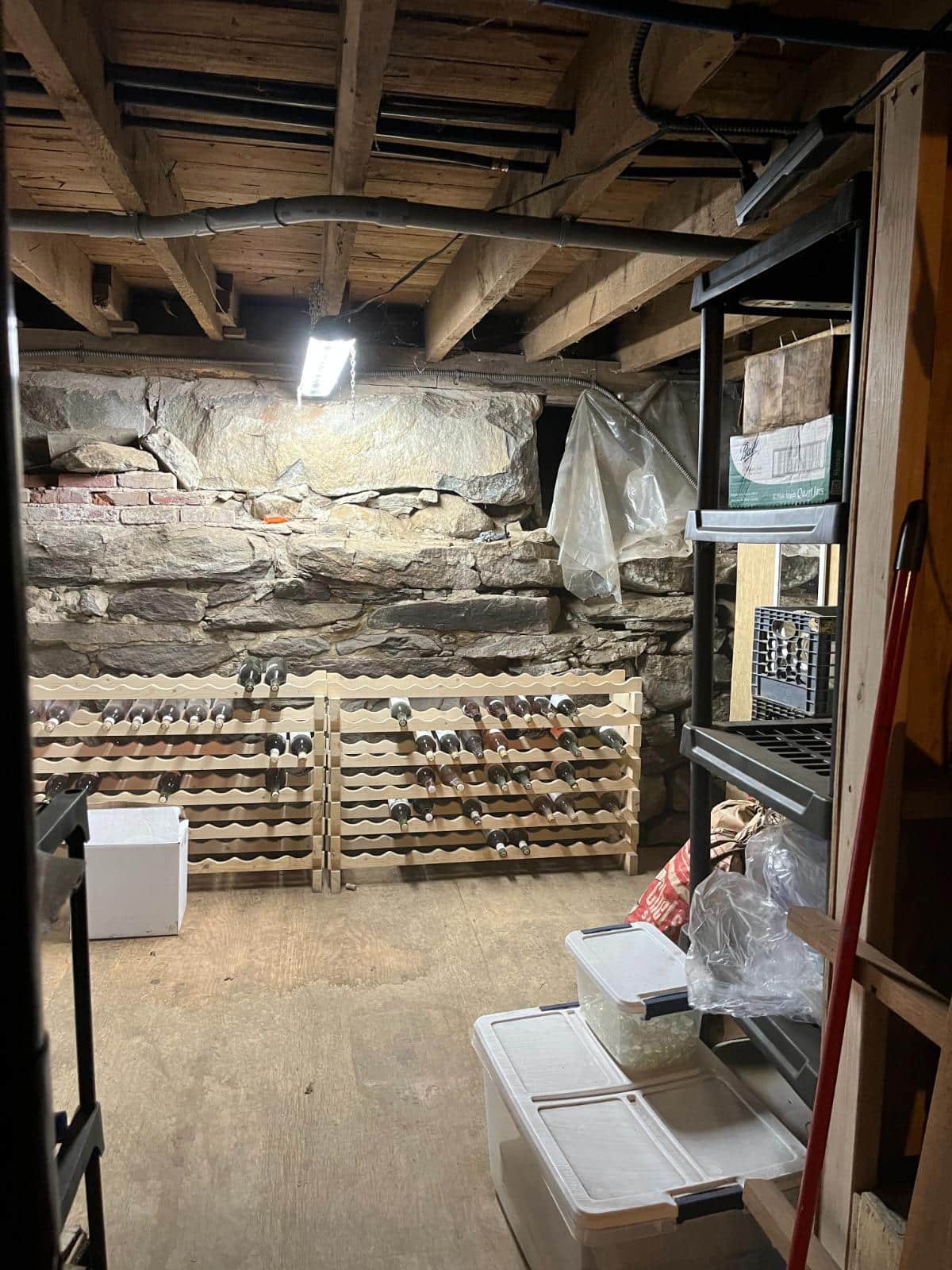
What you don’t want is to keep your dormant plants in an area or conditions that will stimulate growth. You want them to keep their dormant state so they can regrow outdoors in sync with their natural annual cycle.
The location for your plants should be cool. It should also be dark, so as to avoid growth and stimulation from light that might mimic sunlight for your plants.
Some good areas to keep your dormant plants can be:
- An unheated area of your basement, or a colder, cooler area of the basement
- A minimally heated garage
- Unheated garage or outbuilding
- An unheated greenhouse
- A cool greenhouse if the plants are covered for darkness and the temperature is not too high to stimulate growth
Dormant plants can handle a slight range of temperature, meaning that your area can be within this range, but is hopefully pretty steadily held at whatever temperature range it is. The temperature should be held within a few degrees.
- For indoor overwintering plants, the temperature range should be above 40℉ (4.44℃) but less than 60℉ (15.56℃)
- 50 to 55℉ (10 to 12.78℃) is about the perfect temperature for overwintering dormant plants
- If left outdoors in unheated buildings, the temperature should not drop below 20℉ (-6.67 ℃) in most cases; this is a good rule of thumb to follow, even if you’re not sure how hardy your plants are, and even if they can typically tolerate colder conditions in the ground (because in the ground, they'd be insulated)
The most popular and simplest spot to overwinter dormant plants is in a cool basement, because your basement will not be subjected to freezing temperatures for the more tender dormant plants. However, it is cool and dark enough to hold your plants in a suspended state.
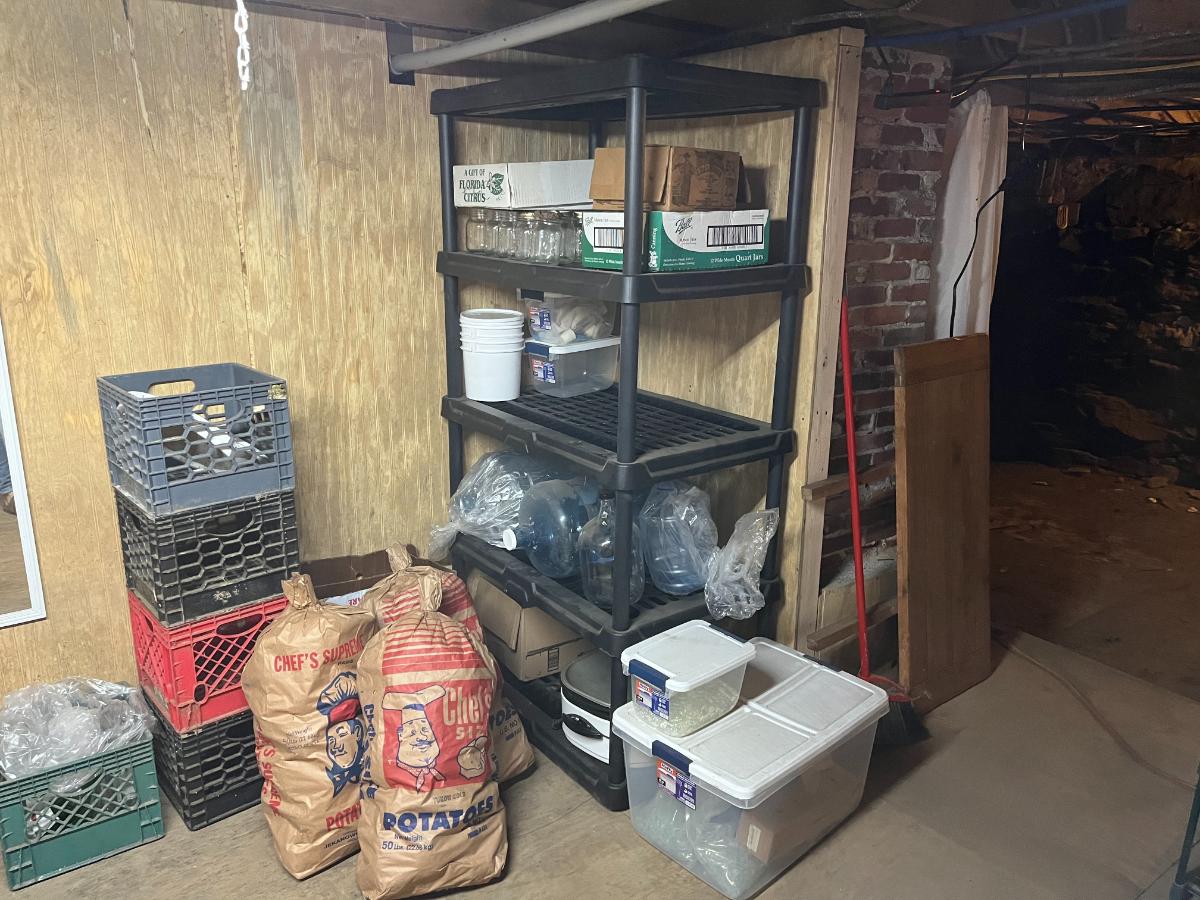
Keep in mind that if you store your dormant plants in an unheated greenhouse or outbuilding, you need to consider your average cold winter temperatures. Know what the temperatures are likely to be in that building, and then compare that to the lowest temperature the plants can handle (use growing zone or hardiness information to help you determine this). This is typically only a good option for containerized plants that are hardy for your zone to begin with.
*While it is possible for some perennials, herbs, and other plants to continue to grow indoors (like they would in a warmer climate), that is more work and requires quite a bit of care and input from you (including supplemental lighting and more). Some plants are not well-suited to this, while others handle it better.
However, even if a plant is disposed to grow and survive indoors (and certainly a lot of perennials are not), nearly all perennials should be allowed to experience a restful dormant state. This is a natural process and is often what allows a perennial to bloom and possibly to produce.
2. Consistent Conditions
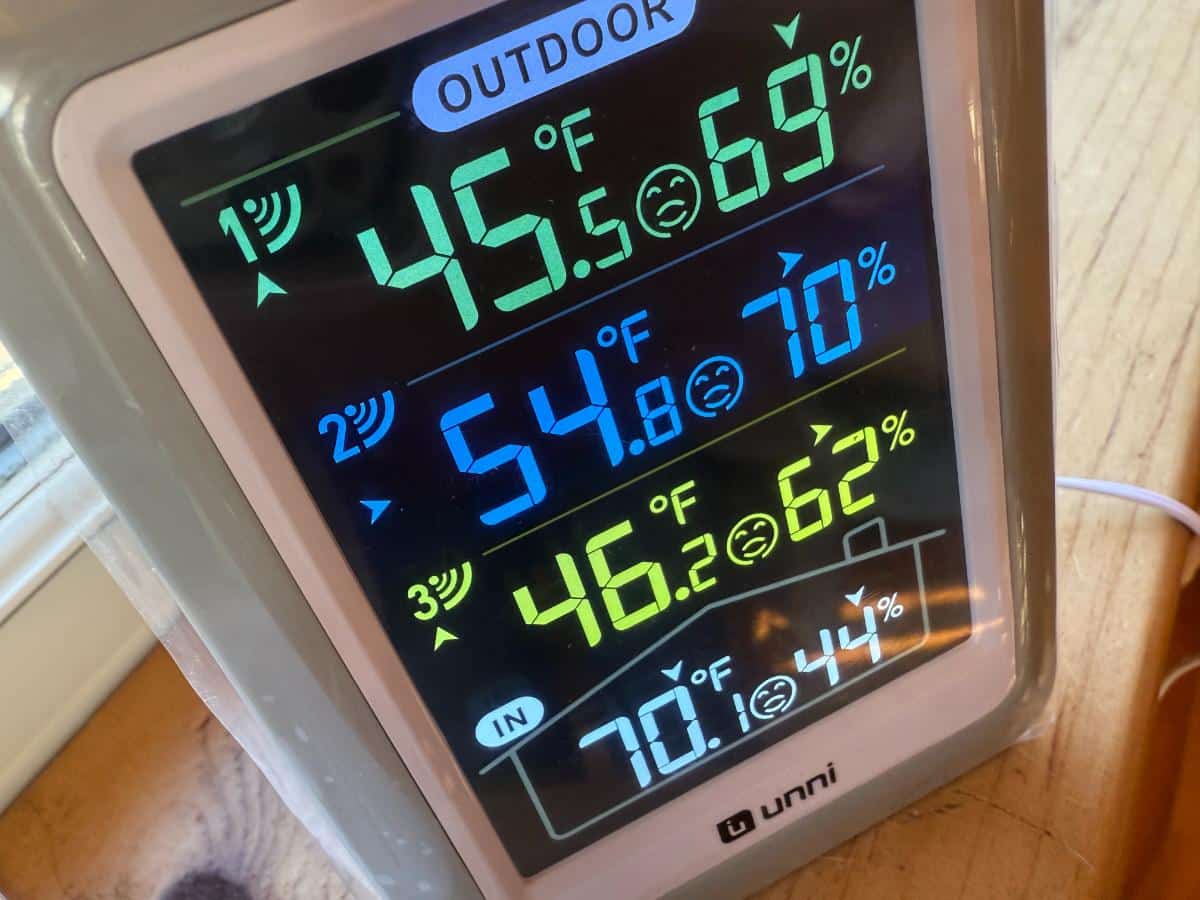
The conditions where you keep your resting plants need to be fairly consistent. Namely, we’re talking temperature here, but consistency in light and humidity is helpful, too.
When conditions fluctuate and vary a lot, plants can be stressed. They can dry out more than they should without you realizing it. They also may come too close to stimulating growing conditions, and that may cause them to break dormancy.
Worse yet, the plants may break dormancy and then be sent back into it, depleting natural protections and energy stores. Or, it may cause them to restart a life cycle they can’t complete, which may cause death.
This is another reason why a cool, dark basement is usually the best place to overwinter tender and semitender or potted plants. Basements actually tend to stay pretty consistent all around! Much more so than living areas with constant heating and warming or exposures to kitchens, stoves, and appliances.
3. Moderated Moisture
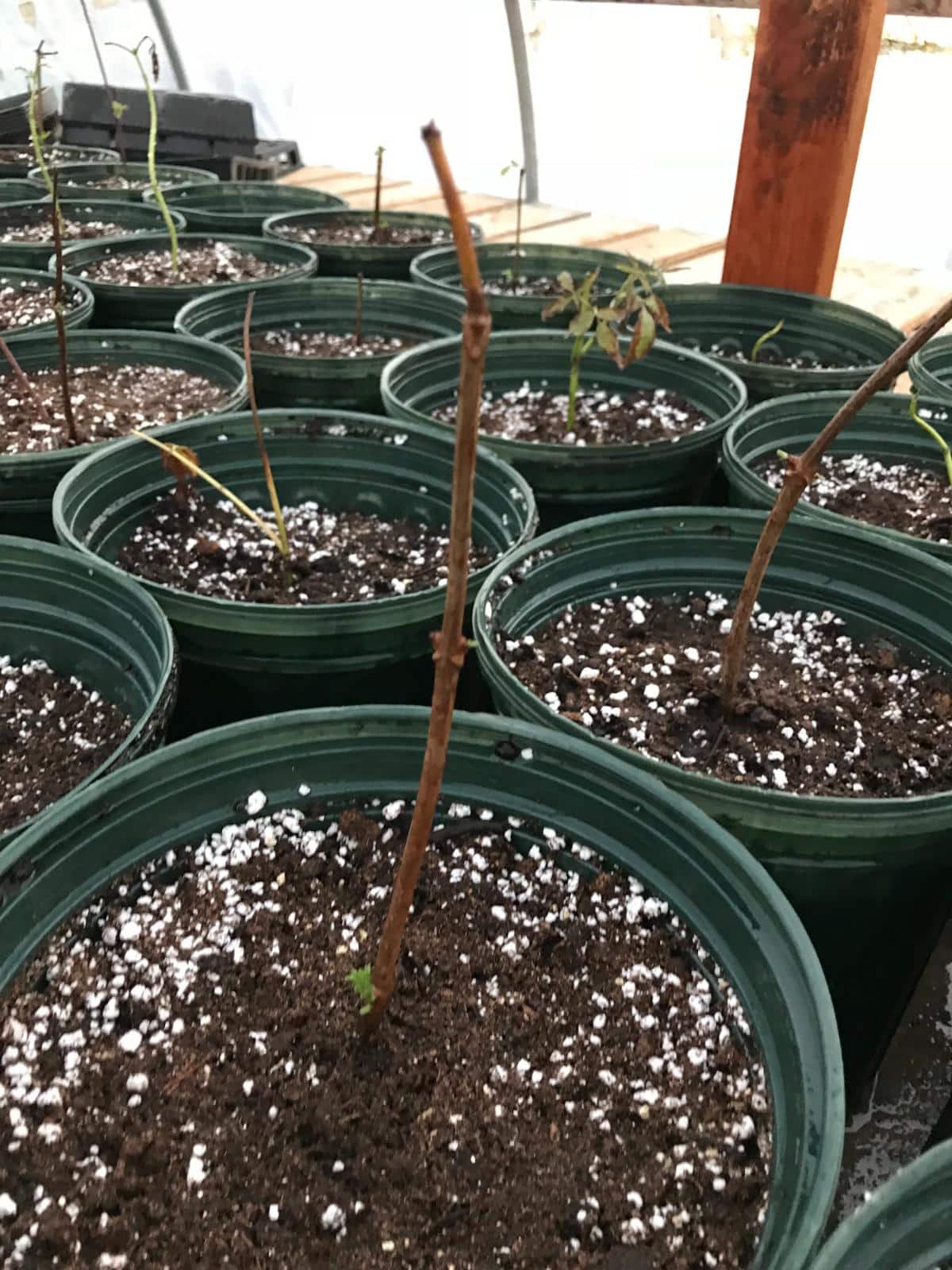
If there is one reason why dormant plants die, this is it. People think their dormant plants don’t need watering!
Now, to be fair, this might be true, or partially true. And to be completely clear, no -- dormant plants do not need regular watering.
But dormant plants also can not be allowed to dry out completely.
In dormancy, those plants are not actively drinking and cycling through water or moisture from the soil. But if you let the soil dry out completely, then the roots will be next.
Even dormant roots need to hold moisture. They don’t need to siphon it up to living plant parts, but the roots themselves have to stay hydrated enough for their cells not to break down and die.
To keep your dormant plants adequately hydrated:
- Lightly water plants before you store them
- Give enough water just to moisten the soil evenly
- Put the plant into its overwintering space
- Then, check weekly or biweekly
- Make sure the soil isn’t becoming dry and dusty -- the soil does not need to feel “wet”, but it does need to hold some moisture, above drought status!
- Keep in mind that the soil should not be watered to the point ofbeing wet or fully watered; overwatering a pot that is not actively drinking will only rot the roots
- When the soil starts to look and feel dry, dribble a small amount of water, just darkening most of the top of the soil (you do not even need to darken the entire surface of the dormant plant’s soil)
- Dribbling water every two or more weeks will usually suffice, but do check weekly, at least in the beginning, until you figure out how often your plants need to have moisture added to keep the soil from drying out to dust
Other Tips for Success with Dormant Overwintering Plants
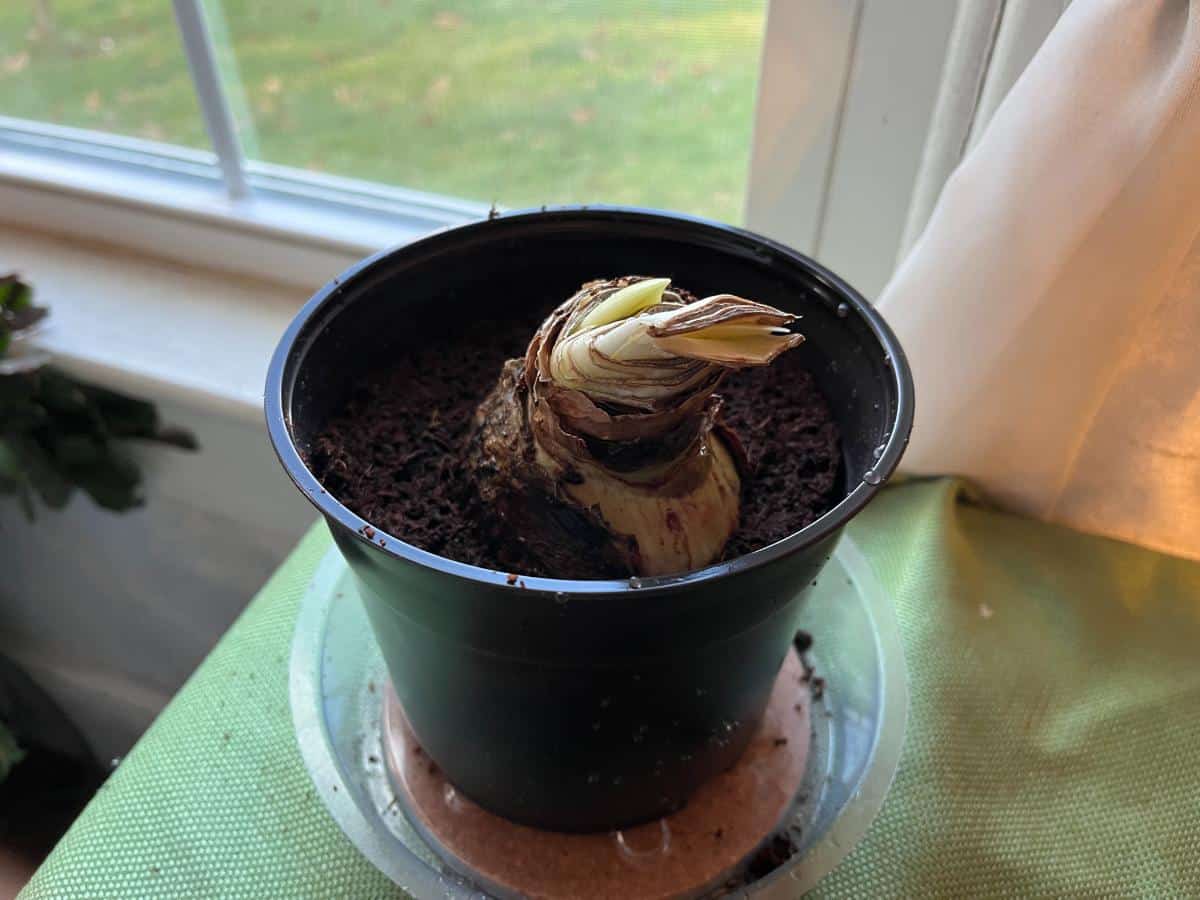
- Dormant plants don’t need light
- Too much light could trigger growth, so a dark/low-to-no light area is best
- A little weak winter light won’t be a problem, so don’t get too concerned over a bit of light infiltration
- If you are keeping plants in a garage or basement where someone is spending a lot of time during the day (or night), and there are strong lights on a lot, a quick fix is to cover the pots with a dark sheet or two to block the light
- If the plants are frost sensitive to the point where they die completely from a frost or freeze, bring them in before they are killed by the frost
- If you are overwintering perennials that are hardy for your zone but are in containers, or plants that are perennials but can’t survive the winter outside, it’s good practice to let them be touched by frost to send them into a solid slide to their dormant state, and then bring them inside for storage
- A first or even hard freeze won’t be enough to kill most hardy perennials; it is the severe winter temperatures and ground freezes that make or break outdoor perennials over winter
- Trim back dried and excess growth before storing your perennials for dormant overwintering
- LABEL! It’s easy to think you will remember what is what in the spring, but once the plants die back, they mostly look the same. Do a future you a favor, and label those dormant plants!
Expand Your Idea of Perennials
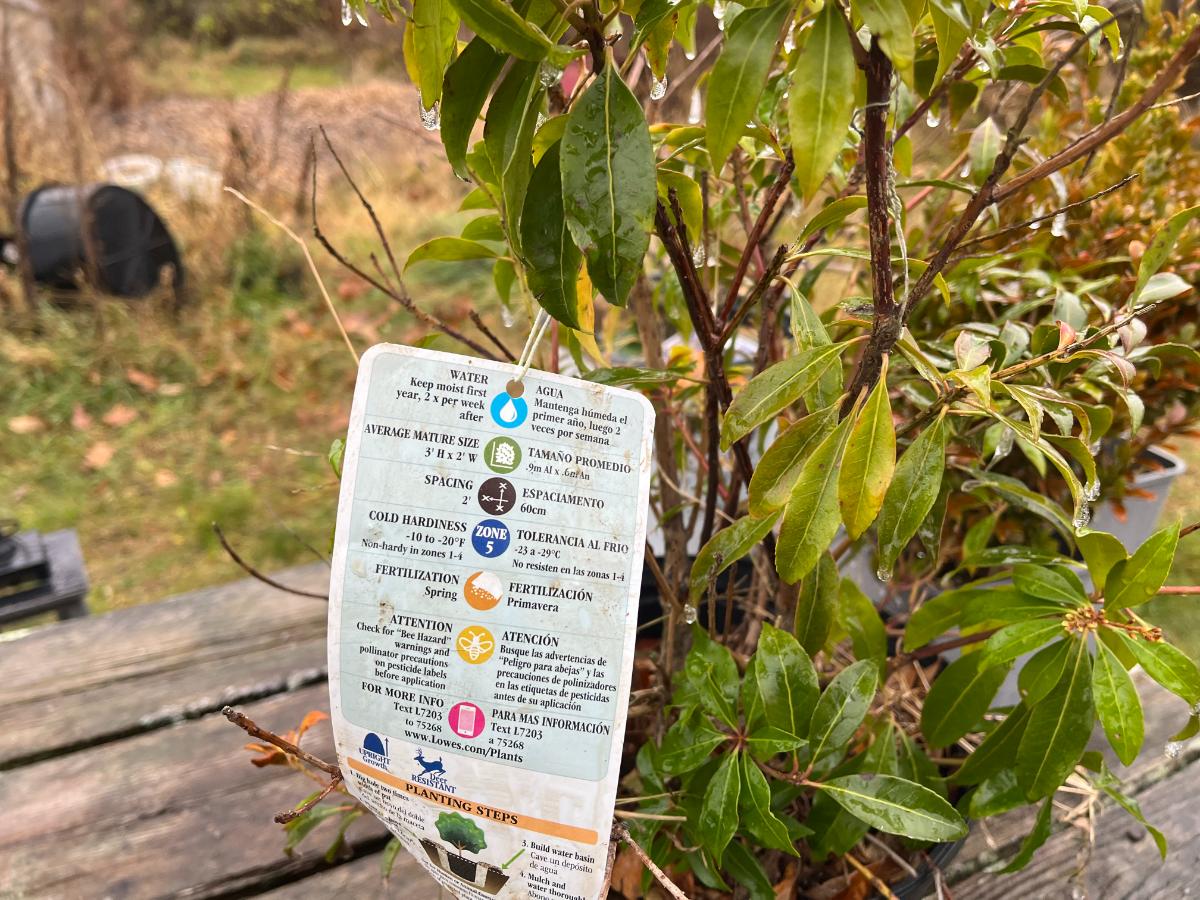
A lot of plants that we think of as annuals are actually perennials and can be stored as dormant plants for the winter. This includes many ornamentals and a good number of annual vegetable plants.
By bringing your perennials into the store dormantly, you can get a big jump on the next season’s growing. You can also save some expensive and valuable plants by protecting them from the severe conditions of winter outdoors.
Some plants that you may not realize that you can overwinter indoors include a lot of those we spend money on every year. Some popular examples include:
- Pepper plants (ornamental and edible)
- Tomatoes
- Fall mums (plant them right in the ground in the spring, or refresh their pots and they’ll be in bloom again for you in the fall!)
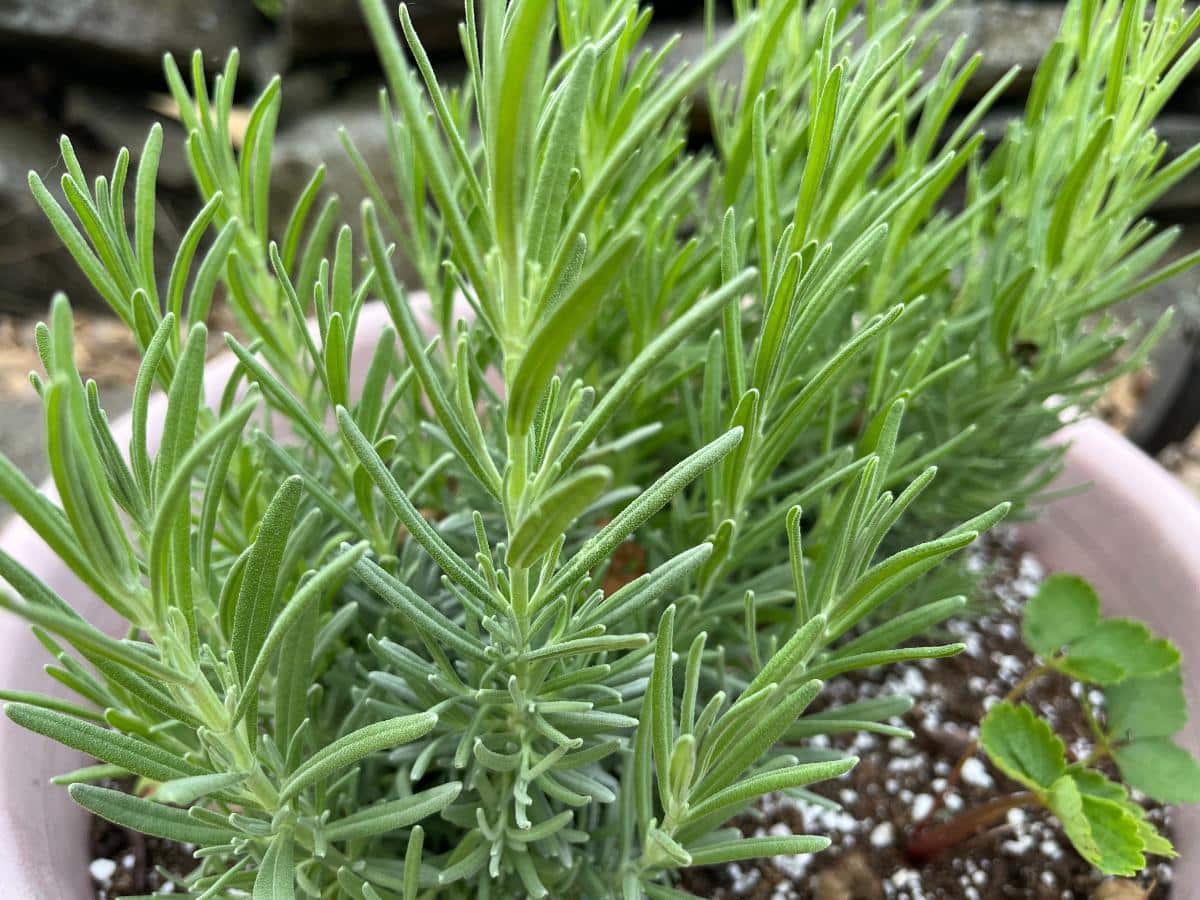
- Semi-hardy and tender herbs like rosemary, lavender (depending on location), thyme, sage, and more
- Geraniums
- Ferns like Boston Ferns
- Many more!


Leave a Reply